Vietnam Visa On Arrival: A Complete Guide
Latest update: Jul 14th, 2026
Table of Contents
Vietnam Visa On Arrival is an important aspect for travelers planning to enter Vietnam. This convenience allows foreign visitors to obtain their visas upon arrival at designated airports in Vietnam, simplifying the travel experience significantly. In this guide, we will explore the ins and outs of Vietnam Visa On Arrival, addressing the essential details one must know.
Understanding Vietnam Visa On Arrival
Vietnam Visa On Arrival is a popular option among travelers who wish to explore this beautiful Southeast Asian country. The process is straightforward but requires a few specific steps to successfully acquire a visa upon arrival.
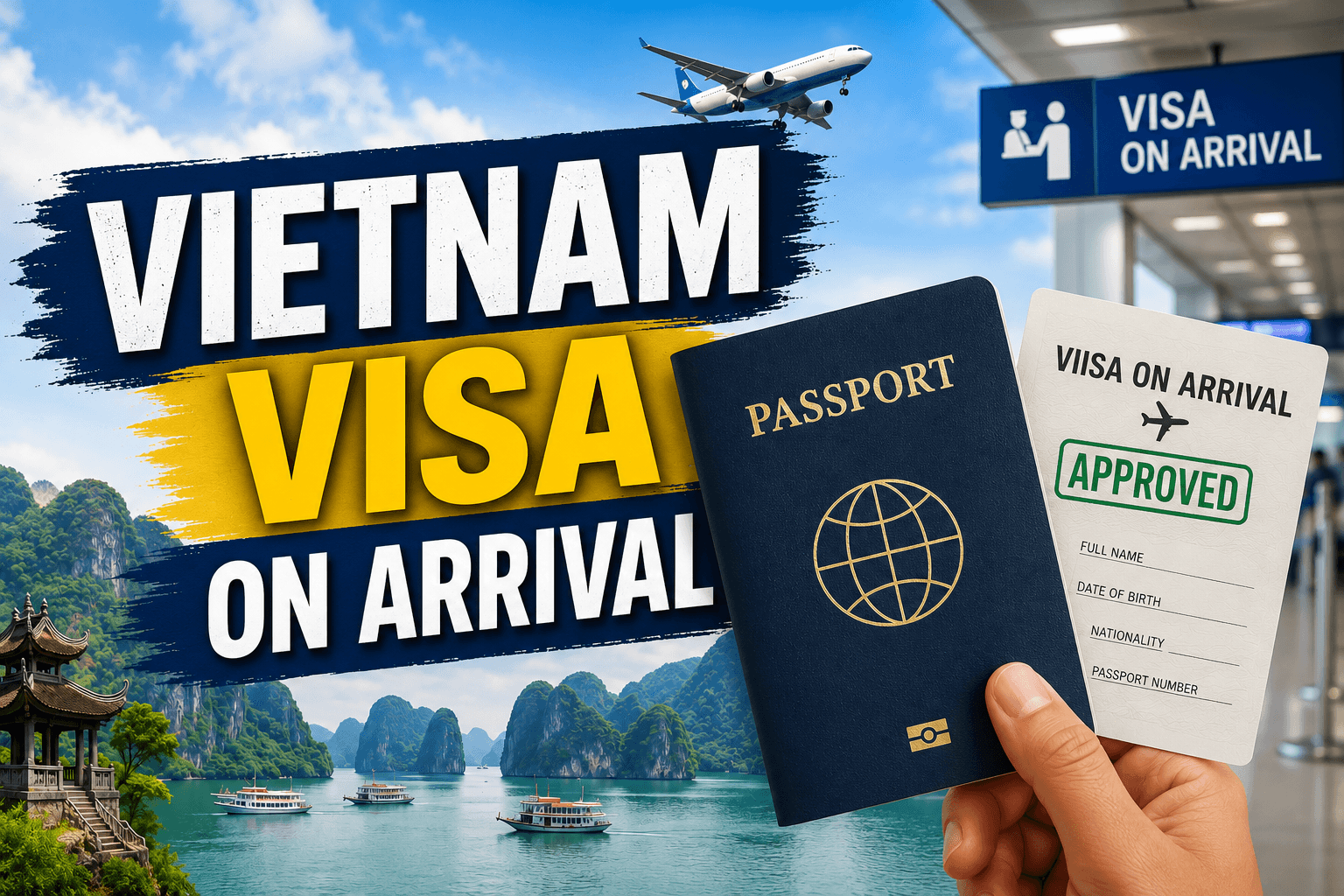
When it comes to traveling abroad, having the right documentation is critical. Understanding how Vietnam Visa On Arrival works is essential for a smooth entry into the country. This option is mainly available at three main international airports in Vietnam, which include Noi Bai International Airport (Hanoi), Tan Son Nhat International Airport (Ho Chi Minh City), and Da Nang International Airport.
Before you embark on your journey, it is important to know that travelers must first apply online for an approval letter through a legitimate agency. The approval letter is a crucial document that you will need to present upon arrival in Vietnam.
Applying for Vietnam Visa On Arrival
The initial step in acquiring a Vietnam Visa On Arrival is to apply online for the approval letter. This is done through a travel agency or a visa processing website. When selecting an agency, ensure it is reputable and provides genuine services. After filling out the necessary information and paying the required fees, you will receive the approval letter via email, typically within two business days.
The online application form is user-friendly, requiring basic information such as your full name, nationality, passport number, and the intended dates of your stay. It’s worth noting that the accuracy of the information provided is imperative for a successful application. Errors could lead to delays or complications upon arrival.
Once you have received the approval letter, print it out and keep it alongside your passport and other important documents. The approval letter is what you present to the immigration authorities at the airport in Vietnam.
Visa Requirements for Vietnam Visa On Arrival
While the Vietnam Visa On Arrival is a convenient option, there are certain eligibility criteria and documentation requirements that travelers must meet. Firstly, it's essential to note that this option is primarily available for air travelers. Land or sea arrivals cannot obtain a visa upon arrival but must apply beforehand through the Vietnamese embassy or consulate.
Moreover, travelers from certain countries may be eligible for visa exemption or different visa categories. Therefore, it is crucial to check the current regulations and determine whether your nationality falls under the Visa On Arrival program. It is also worthwhile to review the purpose of your visit, whether it is tourism, business, or visiting family, as there may be additional requirements for each case.
Another important consideration is the duration of your stay in Vietnam. Generally, the Visa On Arrival grants visitors a stay of up to 30 days, but extensions are possible under certain conditions. Make sure to consult with the travel agency regarding any options for visa extensions if your time in Vietnam may exceed the standard limit.
What to Expect at the Airport
Upon arrival at one of Vietnam's international airports, travelers should be prepared for the necessary procedures to obtain their visa. It’s essential to follow these steps to ensure a smooth entry process.
Navigating through a foreign airport can be daunting, especially if you haven't traveled that way before. Understanding the procedures for obtaining a Vietnam Visa On Arrival can alleviate some of this anxiety. When you arrive at the airport, proceed directly to the Visa On Arrival counter. This is usually located after passing through immigration control and is distinctly marked for ease of recognition.
While waiting in line at the Visa On Arrival counter, ensure you have all your necessary documents ready to present to the immigration officer. Besides the printed approval letter, you must provide your passport, a completed visa application form (which can often be found at the counter), and two passport-sized photos. Having all these documents in order will facilitate a speedy processing time, allowing you to enjoy your arrival in Vietnam.
Visa Fees and Payment Methods
One of the most important aspects when collecting your Vietnam Visa On Arrival is understanding the applicable visa fees. These fees can vary depending on the type of visa you are applying for (single entry or multiple entry) and the length of stay. Ensure you are well-informed about current fees before your trip as they may fluctuate.
The payment is typically made in cash in U.S. dollars. This requirement can catch some travelers off guard, so it is advisable to keep cash at hand during the trip. Some airports may also accept Vietnamese Dong, but using U.S. dollars is often preferred. It’s essential to check with your visa processing agency regarding the accepted forms of payment.
After paying the fee, the processing time at the Visa On Arrival counter is usually quick, ranging from a few minutes to half an hour, depending on the number of travelers arriving at that time. Patience is key during busy periods, and travelers should be prepared for potential wait times.
Common Challenges and How to Overcome Them
Although the process for obtaining a Vietnam Visa On Arrival is relatively straightforward, travelers may encounter some challenges. One common issue is delay due to missing information or incorrect documentation. To prevent this, double-check all your forms and supporting documents before presenting them at the Visa On Arrival counter.
Language barriers may also pose a challenge for some travelers. While most airport staff are familiar with English, there may be some misunderstanding due to accents or different phrases. Approaching staff with patience and simplicity can often bridge this gap.
Lastly, ensure you stay calm and composed during your arrival, regardless of the challenges encountered. Traveling can be stressful, but maintaining a positive attitude will enhance your overall travel experience in Vietnam. Remember to treat airport staff with respect, as this can lead to a more pleasant interaction and possibly even help alleviate any issues.
Extending Your Vietnam Visa On Arrival
Once you have entered Vietnam and have settled in, you may be considering extending your stay. Vietnam Visa On Arrival facilitates this possibility, but it involves specific steps.
It's essential to be aware of the need for visa extensions well in advance, especially if you have found yourself falling in love with Vietnam and its culture. While the initial Visa On Arrival is valid for up to 30 days, the process for extending stays is efficient if handled correctly.
To extend your visa, you will typically need to visit the Immigration Office or engage a local travel agency to help with the process. The requirements for a visa extension generally include your passport, the approval letter, and a completed application form. It is vital to work with an agency that has a solid reputation for helping foreigners, as they are familiar with local laws and regulations.
Cost and Duration of Visa Extensions
The cost associated with extending your Visa On Arrival can vary widely based on the agency you choose or the official immigration office. Therefore, it is advisable to inquire about fees beforehand. Typically, extending a visa can take anywhere from a few days to a week, so it's best to submit your application well before your current visa is set to expire.
During the extension application, make sure to specify the desired length of your stay. Vietnam offers flexible options for travelers, with extensions for an additional 30 days generally easy to obtain. Planning ahead is key, as an extended stay may also require financial documentation or proof of hotel bookings.
Navigating the Extension Process
Navigating the visa extension process might seem daunting at first, but many visitors find it quite simple. A popular approach is to enlist the help of a local travel agency, who can act on your behalf, making the task significantly easier. They will handle the paperwork, liaise with immigration, and ensure that everything is in order, allowing you more time to appreciate your journey in Vietnam.
However, if you prefer to tackle it independently, be sure to visit the official Immigration Office, which is often located in major cities. It's often wise to start this process early, particularly if you don’t have a grasp on Vietnamese language or local customs. Communicating effectively with the staff is crucial; don’t hesitate to ask for guidance if needed.
In essence, the possibilities for extending your Vietnam Visa On Arrival are available and it’s all about how you go about it. Being proactive results in fewer headaches, giving you more freedom to dive deep into everything Vietnam has to offer, from its breathtaking landscapes to its vibrant culture.
Tips for a Smooth Experience with Vietnam Visa On Arrival
Traveling to a new country can feel overwhelming, especially when it comes to sorting out visa requirements. Fortunately, understanding some key tips can help streamline the Vietnam Visa On Arrival experience, making for a smoother arrival.
Preparation is key when embarking on your Vietnamese adventure. Before your journey, take the time to gather all required documents and thoroughly check for any changes to Vietnam's visa policies. This includes making sure your passport is valid for at least six months beyond your planned departure date and has unused visa pages.
Consider packing essential items such as passport-sized photos and cash for the visa fees. These seem trivial but having them on hand will save time and ensure a hassle-free process.
Stay Informed About Regulations
Visa regulations can change, and it is always wise for travelers to stay informed about the latest updates from trusted resources. The official Vietnamese government or embassy websites often post current visa policies which can be essential for planning purposes. Staying abreast of any changes in visa application procedures could make an enormous difference in your travel experience, potentially saving you from an unpleasant surprise upon arrival.
Networking with fellow travelers, either online via forums or social media groups or in person, can also be beneficial. These communities can provide firsthand insights about their experiences with Vietnam Visa On Arrival, including tips, recommendations, and shared anecdotes.
Maintain Positivity and Flexibility
Lastly, maintaining a positive mindset and flexibility while traveling is key to a successful experience. Issues may arise, and perhaps there will be unexpected delays; however, keeping an adaptable attitude will help you navigate through these times without overwhelm.
Engaging in conversations with locals can also help ease travel anxieties. Vietnamese people are known for their hospitality and friendliness, and often, discussing your travel experiences can lead to interesting insights or recommendations about places to visit.
All in all, being diligent and adaptable can significantly contribute to a rewarding experience in Vietnam with your Visa On Arrival. Embrace the spontaneity of travel, and allow for the unexpected; it could lead to unique, memorable adventures that enrich your journey.
Conclusion
Navigating the process of obtaining a Vietnam Visa On Arrival is an essential part of planning your trip to this beautiful country. Through proper understanding of the application process, what to expect at the airport, challenges that might arise, and how to extend your stay, travelers can ensure a seamless entry into Vietnam. Remember to stay informed, prepared, and flexible, embracing the journey ahead. Enjoy exploring the wonders that Vietnam has to offer, from its stunning landscapes to its rich cultural history, making the most of your time in this vibrant destination.
- Categories:
- Blog

STANLEY HO
Over the past 23 years in the travel service industry, the growth and success of TRANSOCEAN have stemmed not only from the dedication of our well-trained, enthusiastic, and customer-oriented staff, but also from the exceptional leadership of our Founder and CEO, Mr. STANLEY HO. With more than 20 years of experience in the travel and tourism sector, Mr. STANLEY HO possesses profound knowledge of the market, customer behavior, and modern travel trends. His strategic vision has guided the company toward sustainable growth while maintaining a strong commitment to service quality.