Vietnam Immigration Policy Since July 2026
Latest update: Jul 14th, 2026
Table of Contents
Vietnam's immigration landscape is poised for transformative changes with the newly implemented Vietnam Immigration Policy Since July 2026. This policy aims to reshape how foreign individuals interact with Vietnam, whether for tourism, work, study, or long-term residence. In the following sections, we will explore various aspects of this policy, its implications, and its potential impact on both foreign nationals and the local economy.
Overview of Vietnam Immigration Policy Changes
Vietnam's immigration policy has undergone several revisions over the years, reflecting the country's ambitions to attract talent, investment, and tourism. The Vietnam Immigration Policy Since July 2026 marks a significant shift aimed at making the nation more accessible while ensuring security and compliance with international norms. This policy addresses various aspects, including visa regulations, residency permits, and the overall framework guiding foreigners entering the country.
The recent changes are designed to encourage more foreign talent to settle in Vietnam, thus enriching the local workforce and fostering economic growth. These policies also aim to provide clearer pathways for foreign nationals seeking to work or live in Vietnam, thereby enhancing the country's global competitiveness.

Key Features of the New Policy
One of the prominent features introduced is the adjustment of visa categories, which has been designed to address various categories of travelers, including tourists, business people, and skilled professionals. The introduction of new visa types reflects an understanding of the diverse needs of visitors and residents.
Moreover, the policy's structure aims to streamline application processes, enabling faster processing times and reducing bureaucratic hurdles. These improvements will likely bolster Vietnam's appeal as a destination to live and work in, especially for those considering the dynamic Asian market.
The Role of Technology in Immigration
The Vietnam Immigration Policy Since July 2026 also integrates modern technology into the immigration process. Digital platforms streamline application procedures, allowing potential immigrants to manage their visa applications online. Such integration not only expedites the process but also enhances the user experience.
Additionally, the use of data analytics enhances border security and monitoring processes, ensuring adherence to compliance and visa requirements. This technological adoption is essential in fostering trust among foreign nationals regarding their safety and the legitimacy of their immigration intentions.
Impact on Foreign Nationals
The adjustments in immigration policy have implications for foreign nationals considering relocation to Vietnam. As part of the comprehensive approach, the Vietnam Immigration Policy Since July 2026 focuses on easing access to multiple long-term visa options, allowing foreigners to better understand the requirements and benefits associated with their choices.
Work Visa and Employment Opportunities
The new policy emphasizes work visas designed to attract skilled professionals across various sectors. By offering clearer guidelines and requirements, foreign nationals interested in contributing their expertise can navigate the process with more confidence.
In providing a wealth of employment opportunities, Vietnam's evolving economy becomes an increasingly appealing choice for expats. The influx of skilled labor not only benefits companies needing particular expertise but also cultivates a culture of innovation, ultimately spurring economic development.
Family Migration Options
Another significant aspect of the revised immigration policy is the emphasis on family reunification. Families wishing to join foreign working residents can now find more accessible pathways to migrate. This adjustment acknowledges the social aspect of migration and aligns Vietnam with global trends emphasizing family integrity.
Family migration options create a supportive environment for foreign professionals, as having relatives nearby can help them adapt and thrive in a new culture. The presence of family members strengthens community ties and encourages cultural exchanges, which enhances the liveability of the environment.
Economic Ramifications of the Policy
The Vietnam Immigration Policy Since July 2026 is not just a framework for allowing foreigners into the country; it also has significant economic implications. As Vietnam continues to engage with the global economy, the way it approaches immigration becomes increasingly critical to its economic performance.
Boosting Tourism Revenue
The changes in visa regulations are expected to herald an increase in tourism. By simplifying visa processes for tourists, the country aims to attract a larger visitor base. This influx could potentially boost local economies, as these tourists contribute to various sectors, including hospitality, retail, and entertainment.
Increased tourism not only elevates economic activity but also creates job opportunities directly tied to the hospitality sector. More jobs mean improved livelihoods for local residents, further stimulating economic growth and development in tourism-centric areas.
Attracting Foreign Investment
Streamlined immigration policies have the potential to transform Vietnam into a regional hub for foreign investment. By creating favorable conditions for skilled professionals to relocate, the country can attract businesses looking to capitalize on its growing market.
These investments bring along expertise, innovative ideas, and technologies that can catalyze local business growth. Furthermore, fostering an inclusive environment for foreign investors boosts job creation and enhances the nation's economic prospects.
Social Implications and Integration Challenges
As Vietnam welcomes an increasing number of foreign nationals, the importance of social integration cannot be overstated. The Vietnam Immigration Policy Since July 2026 not only addresses the legal aspects of immigration but also signals the need for social programs and initiatives to foster harmonious coexistence.
Cultural Exchange and Diversity
With more foreigners choosing to live and work in Vietnam, the cultural landscape is expected to evolve. This diversification is an opportunity for Vietnamese society to embrace different cultures, fostering a spirit of inclusivity and collaboration.
Cultural exchange goes beyond cuisine and arts; it influences day-to-day interactions and professional environments, which can benefit local communities. Understanding and appreciating diverse backgrounds enriches social practices and encourages mutual respect among residents.
Integration Programs and Policies
Recognizing that integration is a two-way street, the government must develop social programs aimed at facilitating smooth transitions for newcomers. Initiatives such as language courses, cultural orientation, and community engagement can significantly ease the adjustment process.
Mechanisms for feedback and community participation should be established to ensure that foreign nationals feel included in the broader social framework. Encouraging open dialogues can foster understanding and dispel misconceptions that may arise during the adjustment period.
| Aspect | Before July 2026 | Since July 2026 |
|---|---|---|
| Visa Application Process | Lengthy and Complex | Streamlined Online Process |
| Work Visa Availability | Limited | Expanded Categories |
| Family Migration Rights | Restrictive | Easier Pathways |
| Integration Support | Minimal | Enhanced Programs |
Conclusion
The Vietnam Immigration Policy Since July 2026 marks a crucial milestone in the nation's approach to global immigration. By prioritizing accessibility, economic growth, and social integration, Vietnam positions itself as an attractive destination for foreign nationals. The implications of this policy extend beyond mere legal frameworks; they encompass a vision of a thriving, diverse society enriched by the contributions of skilled individuals from around the world. The ongoing evolution of these immigration policies will undoubtedly shape Vietnam's future as it engages deeply with the international community, paving the way for a prosperous and interconnected nation.
- Categories:
- Blog
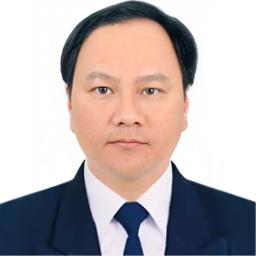
STANLEY HO
Over the past 23 years in the travel service industry, the growth and success of TRANSOCEAN have stemmed not only from the dedication of our well-trained, enthusiastic, and customer-oriented staff, but also from the exceptional leadership of our Founder and CEO, Mr. STANLEY HO. With more than 20 years of experience in the travel and tourism sector, Mr. STANLEY HO possesses profound knowledge of the market, customer behavior, and modern travel trends. His strategic vision has guided the company toward sustainable growth while maintaining a strong commitment to service quality.