Vietnam visa fee for business Fees Explained: Complete Guide
Latest update: May 5th, 2026
Understanding the Vietnam visa fee for business is essential for any entrepreneur or business traveler looking to engage in business activities within Vietnam. As the country continues to grow as a hub for trade and investment in Southeast Asia, having a clear understanding of the associated costs with business visas will help streamline your travel.
In this guide, we will break down everything related to Vietnam visa fee for business, including types of visas, application processes, associated costs, and common considerations to keep in mind when applying for a business visa to Vietnam.
Types of Business Visas in Vietnam
When planning to conduct business in Vietnam, it's essential to know that there are different types of business visas available. This knowledge helps you to select the right visa based on your travel, business intentions, and financial considerations.
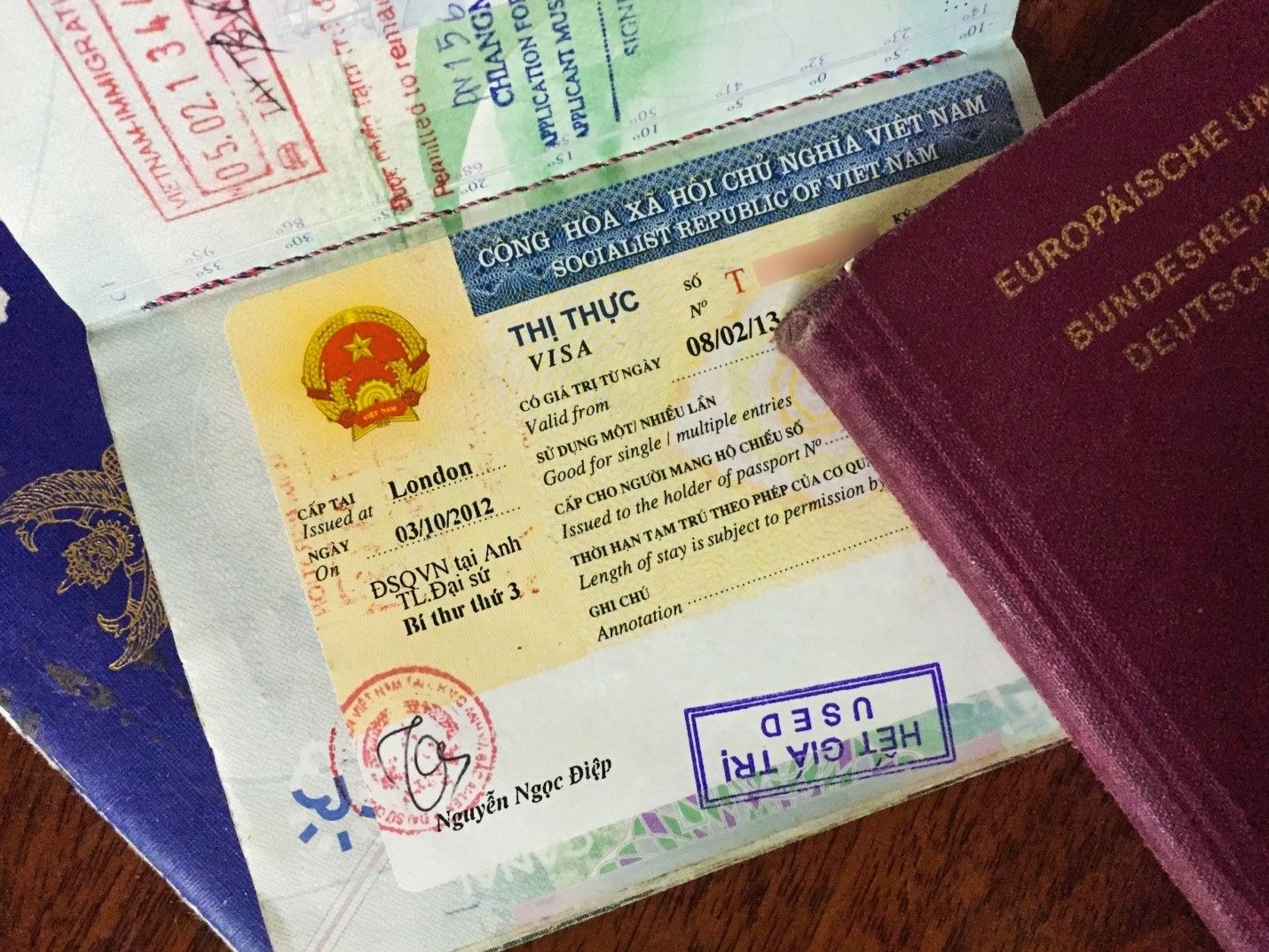
Vietnam has made efforts to streamline and simplify its visa policies, particularly for business travelers. This advancement means it's easier for professionals to access the country for various purposes.
The primary types of business visas available are the M-1 and M-2 visas, each with distinct conditions, lengths of stay, and processing fees.
M-1 Visa: For Investment and Business Activities
The M-1 visa is specifically designed for those who wish to invest or engage in various business activities.
This visa is typically issued for a longer duration—often allowing stays of up to 12 months. As a result, this visa is favored by individuals seeking to establish long-term business relationships or projects in Vietnam.
Application Process for M-1 Visa
The application process for the M-1 visa can be relatively straightforward but includes essential steps that every applicant must follow. Initial requirements include documentation demonstrating the purpose of the visit, proof of business registration, and an invitation letter from a Vietnamese entity.
It is also essential to submit a completed visa application form, along with a valid passport. Moreover, a visa fee is applicable and will vary based on the length of stay and processing time selected.
M-1 Visa Fees Overview
The fees associated with the M-1 visa can differ based on multiple factors. Generally speaking, the visa fees for an M-1 visa range from $80 to $250, depending on the specifics of the application.
However, charges for expedited processing or other special services may incur additional fees. This variance emphasizes the importance of researching and planning ahead. Understanding the exact amounts involved helps to avoid unexpected expenses as you prepare for your trip.
M-2 Visa: Short-Term Business Visits
In contrast to the M-1 visa, the M-2 visa is tailored for short-term business visits. This visa is ideal for professionals attending meetings, conferences, or conducting preliminary research in Vietnam.
The M-2 visa typically permits stays of up to 90 days and can generally be extended for a short duration if necessary.
Application Process for M-2 Visa
Applying for the M-2 visa follows a similar structure to the M-1. Applicants must prepare relevant documentation, including an invitation letter, proof of employment, and a completed application form.
The process can usually be completed relatively quickly, with applicants advised to allow for several business days for processing to ensure they receive their visas in time for their travel plans.
M-2 Visa Fees Overview
The fees associated with the M-2 visa are usually lower than those for the M-1 visa. Generally, you can expect fees to range between $25 and $100. However, these prices can fluctuate according to changes in regulations and the specific nature of the visa received.
It's essential to account for these costs in your travel budget, especially if you need to extend your stay while in Vietnam.
Additional Costs and Considerations
When planning your budget for a business trip to Vietnam, it's crucial to consider other miscellaneous costs that could arise during the visa application process.
In addition to the Vietnam visa fee for business, you should also take into account costs related to documentation preparation, potential travel insurance, and other expenses incurred during your stay.
Documentation Fees
When applying for a business visa, you may need to spend on various documentation-related expenses. These can include:
Notary fees
Authentication of documents
Translation services
Being skilled in document preparation can significantly help reduce these costs. Utilizing simple yet compliant documents can streamline the application process.
Travel Insurance Costs
While not exclusively a visa-related expense, it's wise to include travel insurance as part of your overall preparation for a business trip to Vietnam.
Such insurance protects you from unforeseen circumstances that could disrupt your plans, such as flight cancellations, health emergencies, or unexpected visa complications. Travel insurance will usually cost anywhere from $50 to $150, depending on the type of coverage selected and the duration of your stay.
Extensions and Changes
If your business activities in Vietnam require you to stay beyond the initial time allowed by your visa, you will need to apply for either an extension or a change of visa status.
These additional processes often come with their own set of fees ranging from $20 to $100. It’s crucial to apply for extensions as soon as you realize a longer stay is necessary to avoid any legal issues and additional fines.
Common Questions about Vietnam Business Visa Fees
Addressing frequently asked questions allows both potential travelers and investors to gain clarity on various elements of the Vietnam visa process. It is essential to equip oneself with as much knowledge as possible before making travel arrangements.
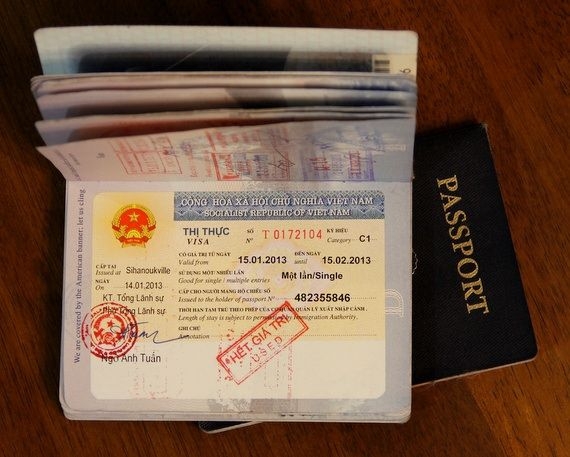
Is the Vietnam business visa fee refundable?
Unfortunately, the fees paid for a business visa application in Vietnam are generally non-refundable. Whether the application is approved or rejected, applicants will not receive a refund of their visa fees.
This non-refundability underscores the necessity of ensuring that all documents are placed correctly and that the application is well-prepared before submission.
Can I expedite the process for my visa application?
Yes, there are options to expedite the visa application process. Many applicants choose expedited services, which often incur additional costs but can significantly cut down waiting times.
Regular processing may take anywhere from 5 to 10 business days, while expedited services can sometimes make it quicker, within 2 to 4 days, depending on the circumstances.
Do companies in Vietnam assist with visa applications?
Many companies in Vietnam specialize in providing assistance with visa applications. Engaging a professional service can ease the application burden, ensuring that all documentation is correctly completed. It can also increase the chances of approval, although it does come at a higher cost.
However, it is vital to choose reputable services to avoid scams or misinformation.
Conclusion
Navigating the Vietnam visa fee for business involves understanding the different types of visas, associated costs, and application procedures. With this comprehensive knowledge, business travelers can prepare effectively, ensuring smooth transitions into Vietnam for various business activities. By considering all aspects discussed, including potential documentation and travel costs, individuals can structure their budgets appropriately and plan for successful business engagements in Vietnam.
- Categories:
- Blog

STANLEY HO
Over the past 23 years in the travel service industry, the growth and success of TRANSOCEAN have stemmed not only from the dedication of our well-trained, enthusiastic, and customer-oriented staff, but also from the exceptional leadership of our Founder and CEO, Mr. STANLEY HO. With more than 20 years of experience in the travel and tourism sector, Mr. STANLEY HO possesses profound knowledge of the market, customer behavior, and modern travel trends. His strategic vision has guided the company toward sustainable growth while maintaining a strong commitment to service quality.