
Working visa vietnam Requirements & Application Process Explained
Latest update: May 5th, 2026
Table of Contents
Navigating the process of obtaining a working visa Vietnam can seem daunting, yet understanding the requirements and the application process can significantly simplify the journey. The working visa Vietnam provides individuals with the opportunity to explore their professional talents while contributing to the economy of this vibrant Southeast Asian country.
To successfully acquire a working visa in Vietnam, applicants must familiarize themselves with the prerequisites and procedures involved. Engaging in extensive research about the visa categories that fit one’s situation and the necessary documents required would be beneficial. This article will guide you step-by-step through the essential requirements and application processes for obtaining a working visa in Vietnam.
Types of Working Visas in Vietnam
Different types of working visas in Vietnam cater to a variety of situations and employment needs. Understanding which type of visa applies to you is crucial for ensuring compliance with Vietnamese immigration laws.
Work Permit and its Necessity
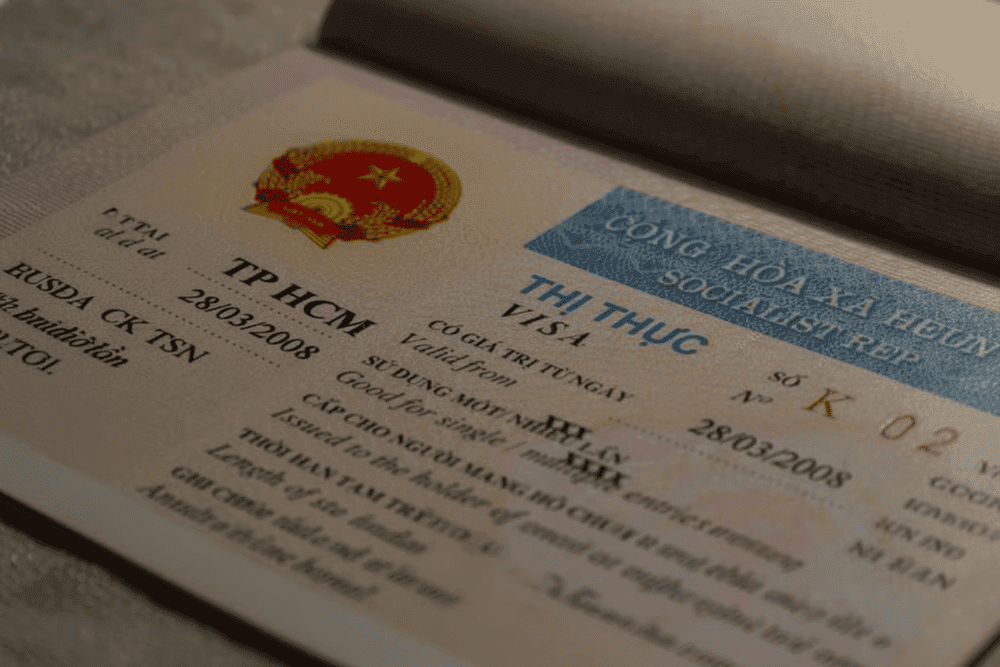
In Vietnam, a work permit is a legal document that authorizes a foreigner to work within the country. The requirement for a work permit is not exclusive to visa applicants; it is essential for any foreign national wishing to work legally.
A work permit is usually mandatory for specific roles, especially in sectors such as education, engineering, and technology. To apply for a work permit, the foreign national’s employer must initiate the process, which includes gathering all necessary documentation and submitting an application to the local labor authority.
Moreover, while the work permit allows foreign workers to engage in employment, the working visa serves the purpose of enabling entry into Vietnam. The two documents often complement each other, and it is worth considering that a successful application for one may hinge on securing the other.
Different Types of Working Visas
There are several categories of visas issued for professional activities in Vietnam. It’s essential to know which category aligns with your professional status. Here's how they are commonly categorized:
Business Visa (DN): For individuals visiting Vietnam for business-related activities.
Working Visa (NV): This visa is specifically for foreigners holding employment positions in Vietnam which typically necessitate a work permit.
Specialized Skills Visa (TC): For highly skilled professionals, researchers, or those who hold specific achievements recognized within Vietnam.
Each type of visa comes with its unique eligibility criteria and stipulations, and aligning your profile with the correct visa type will streamline the application process.
Key Documents Required for the Application
Acquiring the appropriate documentation is vital for a smooth application process. In the process of applying for a working visa in Vietnam, several key documents must be gathered. These typically include:
A valid passport
The required visa application form
A recent passport-sized photograph
An invitation letter from a Vietnamese employer
A copy of the employer’s business registration certificate
The applicant’s educational qualifications and professional experience documentation
A health certificate
Each of these documents serves a specific purpose, whether it is attesting to the applicant’s qualifications or confirming their employment status. Consequently, it’s crucial to compile all requisite paperwork accurately and thoroughly.
The Application Process for a Working Visa
Understanding the application process is essential for avoiding delays and ensuring the approval of your working visa in Vietnam. While the steps involved can vary slightly depending on the specific visa type, there are general guidelines one can follow.
Step-by-Step Application
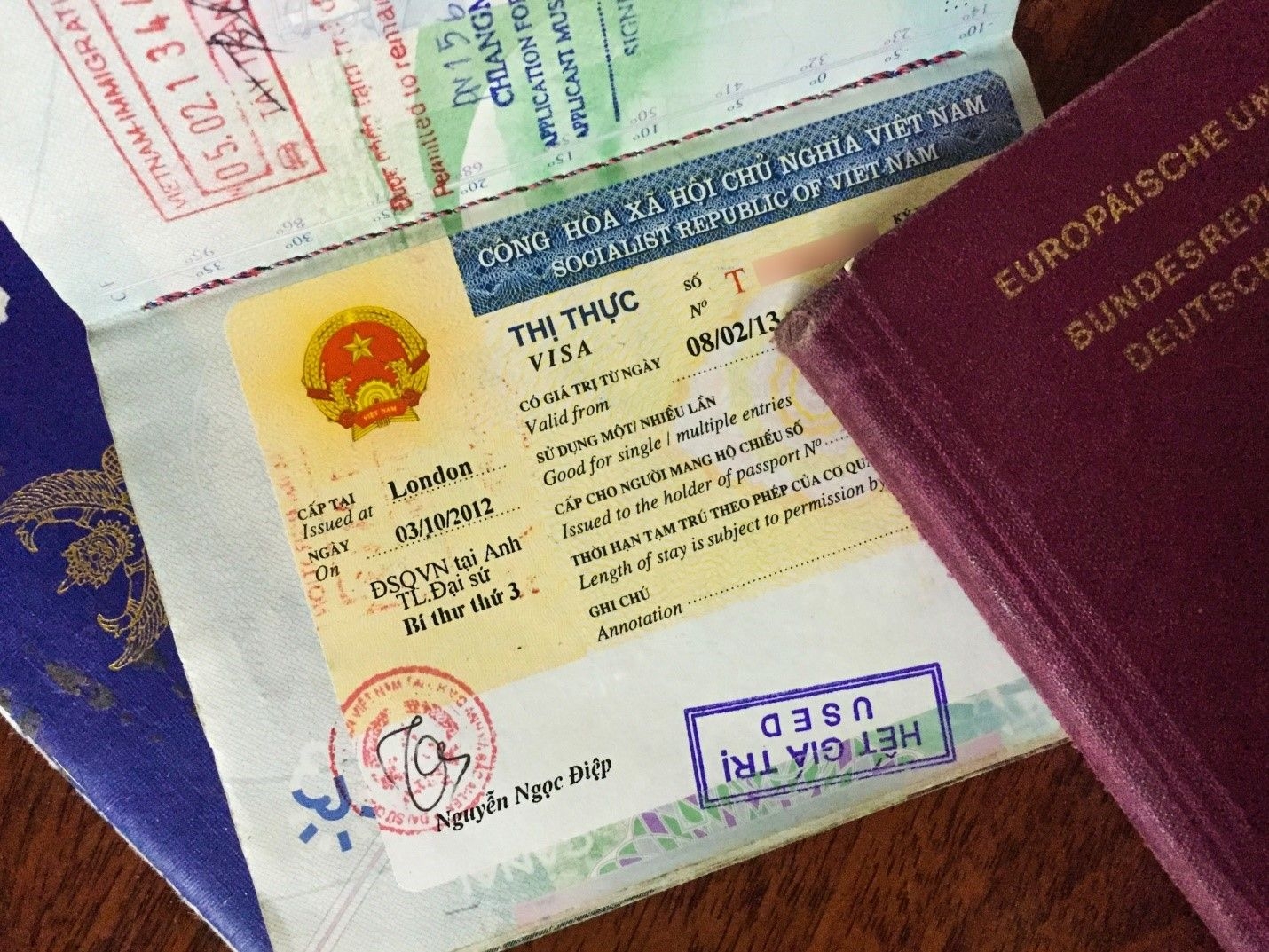
The process to apply for a working visa can be divided into a series of manageable steps. Initially, the prospective employee must be offered a job by a Vietnamese employer who is willing to sponsor their work permit and visa application.
Once the job offer is secured, the following steps can generally be observed:
Gather Required Documentation: As mentioned in the previous section, this includes personal identification documents, proof of employment, and qualifications.
Employer's Submission of Application: The employer should submit an application for the work permit through a local Department of Labor, Invalids, and Social Affairs. The application must be reviewed and approved before proceeding with the visa.
Obtain the Work Permit: Upon approval of the work permit, the foreign employee can proceed with the visa application at the Vietnamese embassy or consulate in their home country.
Visa Application Submission: Submit the visa application along with all necessary documents to the appropriate authority. This may include the embassy or the immigration department in Vietnam.
Visa Processing Time: Wait for the processing period, which typically ranges from 7 to 15 working days. However, ensuring all documents are in order may help reduce potential delays.
Visa Approval: Once approved, the successful applicant can then plan their travel to Vietnam.
The importance of meticulousness throughout each of these steps cannot be overstated, as a single missing document can lead to delays or even a rejection of the application.
Important Considerations During the Process
Several considerations play a pivotal role throughout the application process. For instance, it is critical for the employee to ensure that they are applying for the correct visa type corresponding to their employment status.
Moreover, staying up-to-date with any changes in legislation related to work permits and visas is equally important. Vietnam occasionally revises its immigration laws, and staying informed can help in avoiding potential pitfalls.
Additionally, potential applicants should prepare for potential interviews or additional administrative questions, especially if onboarding into specialized fields. Having a thorough understanding of their qualifications and contributions can significantly aid in the process.
Costs Associated with the Application
While evaluating the feasibility of applying for a working visa in Vietnam, understanding the associated financial aspects is important. Various factors influence the overall cost of obtaining a working visa, including application fees, processing fees, and possible legal fees associated with obtaining required documentation.
For work permits, employers typically bear the costs, while visa application fees might come from the prospective employee. Fees can range significantly based on the type of visa and duration of stay, so budgeting accordingly is advisable. Furthermore, it is a good practice to seek clear breakdowns of costs associated with services, especially involving legal or application assistance, to avoid any surprises.
Staying in Compliance with Vietnamese Immigration Laws
Upon acquiring a working visa and entering Vietnam, compliance with local immigration regulations is crucial for any foreign worker. Understanding the dos and don’ts of residing and working in Vietnam enhances the experience while avoiding legal complications.
Maintaining Validity of the Working Visa
A working visa in Vietnam usually has a fixed duration of validity, with most work visas being issued for one-year terms. It is vital for workers to keep track of their visa's expiration date and initiate renewal processes in a timely manner. Renewals can often involve proving continued employment and adherence to compliance measures.
Additionally, any changes to employment circumstances such as job roles or employer changes should be reported to relevant immigration authorities promptly. This includes securing new work permits if transferring to another employer or negotiating conditions within the original employment agreement.
Consequences of Non-compliance
Failure to adhere to Vietnamese immigration laws can have severe consequences. Working without a valid visa or exceeding the duration of stay can lead to hefty fines, deportation, or bans from re-entering the country.
Moreover, non-compliance can jeopardize an employer’s reputation, causing them to face administrative penalties or restrictions concerning employing foreign workers. Therefore, both employees and employers must demonstrate a commitment to complying with regulations to foster a mutually beneficial relationship.
Seeking Professional Help and Consultation
Given the complexities of Vietnamese immigration laws and the varying nature of work permits and visas, seeking professional help can be advantageous. Immigration consultants and legal advisors who specialize in Vietnamese law may provide valuable insights that ensure a smooth application process and ongoing compliance.
Engaging with expert services can also facilitate navigating challenges around documentation, taxes, and employer obligations while minimizing the risk of delays caused by paperwork errors. While professional services come at a cost, the investment can yield substantial benefits, particularly for those unfamiliar with Vietnamese regulations.
Conclusion
The process of obtaining a working visa in Vietnam may seem intricate, but with the right knowledge, preparation, and attention to detail, it is entirely manageable. Understanding the types of working visas available and the application procedures helps applicants navigate their professional journey in Vietnam effectively. Staying compliant with immigration laws establishes not only personal security but also fosters positive relationships with local employers and the community. Embrace the opportunity that working in Vietnam presents, and take calculated steps to ensure a fulfilling experience.
- Categories:
- Blog

STANLEY HO
Over the past 23 years in the travel service industry, the growth and success of TRANSOCEAN have stemmed not only from the dedication of our well-trained, enthusiastic, and customer-oriented staff, but also from the exceptional leadership of our Founder and CEO, Mr. STANLEY HO. With more than 20 years of experience in the travel and tourism sector, Mr. STANLEY HO possesses profound knowledge of the market, customer behavior, and modern travel trends. His strategic vision has guided the company toward sustainable growth while maintaining a strong commitment to service quality.