
Vietnam Business Visa Fee: Complete Guide & Latest Costs
Latest update: Mar 10th, 2026
Table of Contents
Understanding the Vietnam business visa fee is essential for entrepreneurs, corporate officials, and investors planning to establish or expand their business operations in Vietnam. This comprehensive guide aims to provide detailed insights into the costs associated with obtaining a business visa for Vietnam, including the current fees, factors affecting the price, and how to navigate the process efficiently.
Overview of Vietnam Business Visa and Its Importance
Securing a business visa for Vietnam is a critical step for foreign nationals who intend to stay in the country for purposes related to business development, investment, or corporate activities. The Vietnam business visa fee can vary depending on multiple factors, including visa type, duration, and the application process. Understanding this fee, alongside the procedural requirements, not only helps streamline your application but also enables better financial planning.
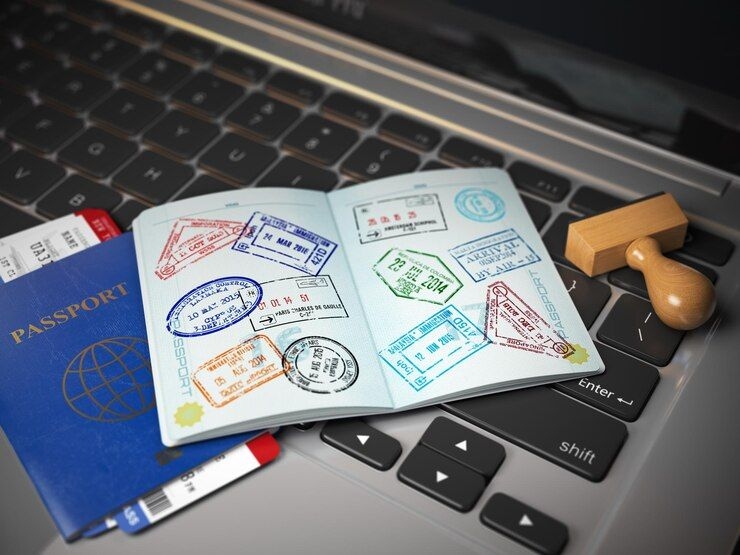
Vietnam's economy has seen remarkable growth over recent years, making it an increasingly attractive destination for foreign businesspeople. The country offers vibrant markets, cost-effective labor, and strategic positioning within Southeast Asia. Consequently, the demand for business visas has surged, emphasizing the importance of knowing the latest costs involved and the best ways to secure a visa without unnecessary delays or expenses.
In this section, we'll explore what a Vietnam business visa entails, why it is vital for international business endeavors, and how the visa fee reflects the administrative and operational costs involved by immigration authorities and related agencies.
Factors Influencing Vietnam Business Visa Fee
The Vietnam business visa fee isn't static; it fluctuates based on several influencing factors. These variations reflect the complexities of visa processing, diplomatic considerations, and the evolving policies by Vietnamese immigration authorities. To navigate the process efficiently, applicants must understand what affects the cost structure.
The primary factors that influence the Vietnam business visa fee include visa duration, visa type, processing speed, application origin, and the facility through which the visa is obtained. For instance, visas issued via embassies or consulates may differ in cost from those obtained through online or third-party services. Similarly, choosing expedited processing tends to increase the overall fee but can be beneficial when time is of the essence.
Another significant consideration is whether the applicant is applying through a direct Vietnamese government channel or via authorized agencies. These agencies often add their service fees, which, combined with the official visa charges, can influence the total cost. The visa's estimated validity — such as a three-month or one-year multiple-entry permit — also impacts the total Vietnam business visa fee. Longer durations with multiple entries typically command higher costs but provide better value for frequent travelers and business professionals.
The fluctuating USD/VND exchange rate can also affect the final amount payable, especially for applicants paying in different currencies. It's crucial for applicants to stay updated with the latest fee schedules issued by Vietnamese authorities or trusted service providers. Understanding these factors empowers applicants to make informed decisions, balancing cost, convenience, and urgency.
Types of Business Visas and Corresponding Costs
Vietnam offers various types of business visas tailored to different needs, durations, and purposes. The type of visa directly influences the Vietnam business visa fee as each category encompasses distinct administrative procedures and validity periods.
Temporary vs. Long-term Business Visas
Temporary business visas generally cover stays of up to 3 months and are suitable for short-term business activities or meetings. Their Vietnam business visa fee is comparatively lower, making them appealing for quick visits. Conversely, long-term visas, such as the one-year multiple-entry permits, cater to entrepreneurs planning extended operations and often involve a more complex application process, which escalates the costs.
Single-entry vs. Multiple-entry Visas
Single-entry visas restrict travelers to one entry and exit during the visa period, which might suffice for limited visits. Multiple-entry visas, allowing multiple entries within their validity period, are favorable for ongoing business dealings and tend to carry higher Vietnam business visa fees due to their extended usability and administrative complexity.
E-Visas and Visa on Arrival
E-visas provide an efficient alternative for eligible travelers, with costs typically lower and processing faster. Visa on arrival services, often arranged via authorized agencies, add a service fee on top of the official visa charges, leading to variations in total costs. It’s essential to differentiate these options when budgeting for your Vietnam trip, as each has different Vietnam business visa fee structures.
The exact costs associated with each visa type can fluctuate, but generally, applicants should expect to pay in the range of hundreds to a few thousand USD depending on the visa's duration, processing speed, and method of application. For example, a standard single-entry, 3-month business visa might cost approximately $150-$200, while longer-term, multi-entry visas could range from $500 to over $1,000.
Understanding the diverse options available helps applicants choose the most appropriate visa type aligned with their business needs and budget constraints. Always verify the latest rates from official Vietnamese government sources or authorized agencies before initiating the application process.
Application Process and Additional Costs Beyond the Basic Visa Fee
Applying for a Vietnam business visa involves official fees, but several other expenses can influence the total cost of obtaining the visa. As applicants plan their budget, awareness of these expenses ensures they are prepared for the full financial commitment required for visa approval.
The process typically begins with submitting an application, either through Vietnamese embassies or consulates, or via online services and authorized agencies. These intermediaries often charge service fees, which are added to the official Vietnam business visa fee. The complexity of supporting documentation, such as business invitations, sponsorship letters, or company registration certificates, can also impact costs, especially if professional assistance or legal advice is needed to prepare the application correctly.
One noteworthy aspect is the consular processing fee, which applicants might pay if applying directly through a Vietnamese embassy. In contrast, those opting for visa on arrival or e-visa options may encounter different fee structures, often involving a processing fee paid online or at the port of entry, separate from the official visa fee.
Furthermore, additional expenses such as shipping, courier services, travel insurance, or biometric data collection may contribute to the overall cost. Applicants should also account for potential fees associated with visa extension or renewal services if they intend to stay longer than the initial visa permits. These renewal costs are separate from the initial Vietnam business visa fee and are designed to accommodate extensions of stay.
Carefully analyzing all potential expenses and choosing reputable, authorized service providers can prevent unforeseen costs and ensure a smooth application experience. While the initial visa fee is a primary cost, comprehensive planning considers all ancillary charges, enabling entrepreneurs to budget effectively.
Conclusion
Navigating the Vietnam business visa fee landscape requires a thorough understanding of the types of visas available, the factors influencing costs, and the application procedures involved. As Vietnam continues to grow as a major investment hub, the demand for business visas rises, and so does the importance of precise financial planning. Variations in visa duration, entry type, processing speed, and application method can significantly impact the total costs.
It's vital for applicants to stay informed about the latest updates from official sources and authorized agencies, ensuring they are aware of any fluctuations in the Vietnam business visa fee. Proper research and strategic planning will lead to a smoother, more cost-effective process, allowing business travelers to focus on their objectives rather than logistical challenges. Ultimately, understanding and managing these costs will facilitate smoother entry into Vietnam’s dynamic markets and support successful foreign business ventures.
- Categories:
- Blog

STANLEY HO
Over the past 23 years in the travel service industry, the growth and success of TRANSOCEAN have stemmed not only from the dedication of our well-trained, enthusiastic, and customer-oriented staff, but also from the exceptional leadership of our Founder and CEO, Mr. STANLEY HO. With more than 20 years of experience in the travel and tourism sector, Mr. STANLEY HO possesses profound knowledge of the market, customer behavior, and modern travel trends. His strategic vision has guided the company toward sustainable growth while maintaining a strong commitment to service quality.