Business Vietnam Visa Guide: Simplify Your Entry Process
Latest update: Feb 26th, 2026
Table of Contents
When planning to establish or expand your business operations in Vietnam, obtaining a business Vietnam visa is a crucial initial step. This visa not only allows you to enter the country but also serves as a gateway for ongoing business activities. Navigating Vietnam's visa regulations can seem overwhelming at first, especially for first-time visitors or expatriates unfamiliar with the process. However, with proper guidance and understanding of the requirements, you can streamline your entry process efficiently.
This comprehensive guide aims to clarify everything you need to know about business Vietnam visas, from types and application procedures to tips for a smooth approval process. Whether you are a seasoned entrepreneur or stepping into Vietnam for the first time, this resource will help demystify the complexities and prepare you for a successful business venture in Vietnam.
Types of Business Vietnam Visa and Their Significance
Understanding the various types of business Vietnam visas is essential for selecting the most appropriate entry permit for your purpose. Vietnam offers multiple visa options tailored to different business needs, duration, and activities. The right visa type not only facilitates legal entry but also impacts your ability to work, attend meetings, or negotiate deals within the country.
Vietnam's business visa categories primarily encompass tourist visas with business activities allowances, business visas issued via diplomatic channels, and e-visas for specific nationalities. Each has distinct eligibility criteria, processing times, and application procedures that you must consider. Recognizing these differences ensures you apply for the most suitable visa, reducing delays and avoiding legal complications.
Choosing the correct type of business Vietnam visa can influence your productivity and ease of operations in Vietnam. For instance, a short-term business visa might be ideal for attending conferences or initial negotiations, while a long-term visa is better suited for establishing a permanent presence or overseeing operations. By understanding these distinctions, you can align your travel plans with your business goals seamlessly.
Tourist Visa with Business Activity Permission
The most common starting point for many business travelers is obtaining a tourist visa that allows limited business activities. This visa allows entry for a specified period—typically up to 30 or 90 days—and is suitable for attending meetings, exploring investment opportunities, or attending conferences. While it isn’t explicitly classified as a business visa, it often serves as the initial step and can sometimes be upgraded later.
Travelers who opt for this visa must be aware of its limitations, especially regarding employment or signing contracts. It is vital to clarify with Vietnamese immigration authorities or your visa consultant whether your planned activities fall within permissible boundaries of a tourist visa. Violating visa regulations could lead to penalties or even bans on future entries.
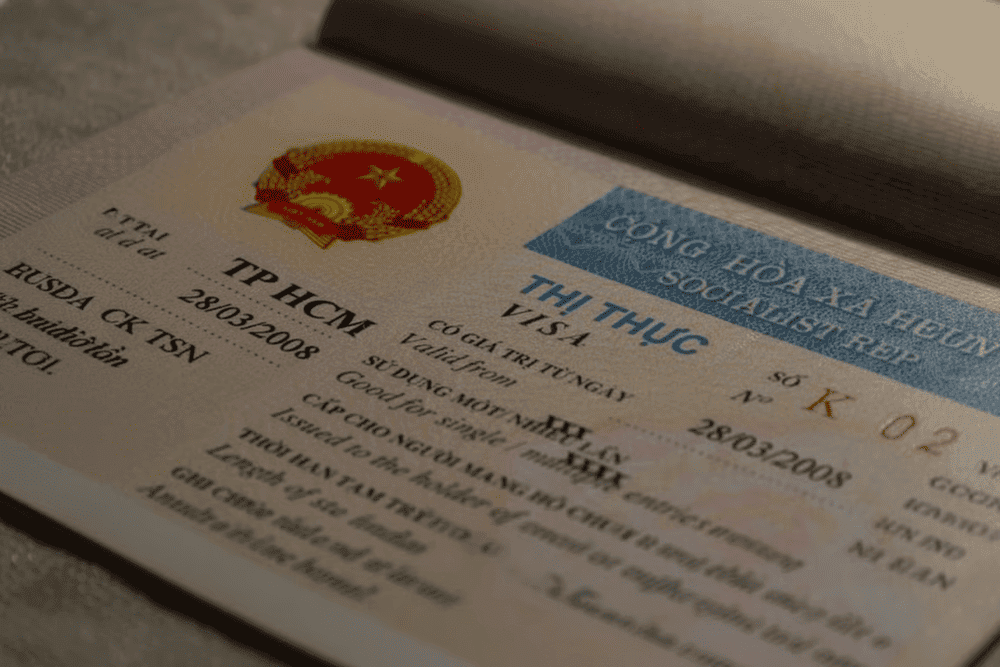
On the other hand, the tourist visa with business permission is relatively easy to acquire and process, making it a flexible option during preliminary phases of business exploration. It’s a practical choice for those testing the waters before committing to a long-term setup. Still, for more extensive or sustained activities, transitioning to a dedicated business visa is often recommended for compliance reasons.
Business Visa through Diplomatic Channels
Another significant business Vietnam visa category involves diplomatic or official channels, often granted to government officials, diplomats, or invited business partners. These visas tend to have expedited processing and more lenient entry conditions, reflecting their official nature.
Applying for a business visa via diplomatic channels requires invitation letters from Vietnamese authorities or partnering organizations. Such visas are typically intended for official visits, negotiations, or conferences and often include provisions for multiple entry points and longer durations. They offer a higher level of legal protection and facilitate smoother entry procedures, especially for high-ranking business executives or government officials.
For private sector investors or entrepreneurs, obtaining a visa through diplomatic channels might be less common unless there is a formal government agreement or partnership involved. However, understanding this pathway is essential for those engaging with government agencies or attending high-level summits. It emphasizes the importance of the official documentation and invitation procedures necessary for seamless entry.
E-Visa and Its Role in Business Activities
Vietnam’s e-visa system simplifies entry for travelers from eligible countries by allowing online application and quicker processing times. While e-visas are primarily designed for tourism, some nationalities can conduct limited business activities, such as attending meetings or site visits, under certain conditions.
For international entrepreneurs and business delegations, the e-visa provides convenience, saving time and avoiding the need for in-person consulate visits. However, it is crucial to verify whether your nationality qualifies and whether your intended activities are permitted under e-visa regulations. Engaging in actual business dealings, signing contracts, or staying long-term usually requires a dedicated business visa.
The e-visa process typically involves submitting required documents online, paying fees electronically, and waiting for approval within days. Once approved, the e-visa grants entry for a specified period, often up to 30 days, facilitating quick and efficient travel plans. It’s an invaluable tool for preliminary visits or exploratory trips related to your business interests.
Long-term Business Visa Options
For entrepreneurs and expatriates planning to stay in Vietnam for extended periods, applying for a long-term business visa becomes a strategic priority. These visas, which can be issued for six months or longer, are designed for ongoing business operations, establishing a company, or managing investments.
Long-term visa applications usually require more extensive documentation, including business registration certificates, invitation letters from Vietnamese companies, or proof of investment. The approval process is more detailed, often involving multiple government agencies to verify the legitimacy and stability of the applicant’s operations.
Having a long-term business Vietnam visa provides stability and legal legitimacy for operations, allowing entrepreneurs to set up permanent offices, open bank accounts, and employ local staff. It minimizes disruptions and legal concerns associated with short-term entries, facilitating a smoother pathway to long-term success in Vietnam’s burgeoning market.
Application Procedures for a Business Vietnam Visa
Navigating the application procedures for a business Vietnam visa can initially seem complex, especially with differing methods based on visa type and applicant circumstances. Familiarizing yourself with the process helps prevent common pitfalls and ensures a timely approval. Typically, the application involves preparing specific documents, submitting them to Vietnamese embassies or consulates, and waiting for processing.
Each application pathway—whether through the embassy, online systems, or authorized agencies—has particular requirements, processing times, and fees. Proper preparation, including accurate documentation and understanding of legal stipulations, is critical to avoid delays or refusals. This section will analyze the typical procedures for securing your business visa, offering practical advice for smooth processing.
Understanding the importance of consistency in your documentation and adherence to the regulations underscores the professionalism necessary when applying for a business Vietnam visa. Elements such as invitation letters, proof of financial means, and relevant corporate documentation need to be meticulously prepared to align with Vietnamese immigration standards.
Preparing Your Documentation
The foundation of a successful business Vietnam visa application lies in gathering comprehensive, accurate, and legally compliant documents. Most applications require a valid passport with sufficient validity, recent passport-sized photographs, and a completed visa application form. Additional paperwork, such as invitation letters from Vietnamese companies, business registration documents, or proof of financial stability, often bolster your case.
Collecting these documents well in advance allows you to address any inconsistencies or missing items beforehand. It also demonstrates thoroughness, which positively influences visa officers’ decisions. Moreover, ensuring that all documents are correctly translated into Vietnamese or English, as required, is vital for clarity and compliance.
Having an organized and complete dossier reduces processing time and minimizes the risk of denial. It also simplifies interactions with consular officials or visa agents. Remember, the goal is to provide a clear picture of your purpose of visit, your ties to Vietnam, and your intention to abide by the country’s laws during your stay.
Submitting Your Application
The submission process for a business Vietnam visa varies depending on whether you apply through an embassy, via an online portal, or through an authorized visa agency. In most cases, applicants submit their documents in person or by mail to the Vietnamese diplomatic missions abroad or upload online for e-visa eligibility.
Ensuring you meet the specific submission guidelines—such as document notarization, photo specifications, or application forms—is essential for smooth processing. Paying attention to processing times, which can range from a few days to several weeks, helps in planning your travel schedules appropriately. Some applicants opt for expedited processing or express services if time is limited.
Successful submission involves not just presenting the required documents but also engaging with transparent communication channels. Monitoring your application status and providing additional documents if requested can prevent unnecessary delays. Furthermore, retaining copies of all submitted materials is recommended for future reference or potential appeals.
Post-Approval and Visa Collection
Once your business Vietnam visa application is approved, the next step involves collecting the visa or entry authorization. Depending on the method of application, this may include physically collecting the visa stamp at the embassy or consulate or receiving an electronic approval letter for e-visas.
Careful review of your visa’s validity period, entry options, and any special conditions is critical at this stage. If discrepancies or issues arise, prompt contact with the issuing authority helps resolve concerns effectively. It's advised to verify that all details, such as name spelling, passport number, and visa type, are accurate to avoid complications during entry.
For those who apply through agencies, clear instructions on visa pickup procedures, extra fees, or additional documentation needed upon arrival are often provided. Making arrangements for your travel timing and ensuring compliance with COVID-19 protocols or other health requirements is also part of post-approval considerations. Properly managing this stage ensures a hassle-free entry process into Vietnam for your business objectives.
Tips for a Successful Business Visa Application and Entry
Whether you are applying for the first time or renewing your business Vietnam visa, following best practices enhances your chances of approval and simplifies your entry process. From preparing your documents to understanding local customs and regulations, comprehensive preparation is the key.
Effective communication, staying updated on immigration policies, and seeking professional assistance when needed significantly contribute to a smooth visa experience. Recognizing common mistakes and proactively addressing potential issues can save time, money, and stress during your travel preparations.
Furthermore, understanding Vietnam’s legal framework and respecting local customs fosters goodwill and facilitates smoother interactions with authorities. Building good relationships with Vietnamese business partners and maintaining transparency in your intentions can also favorably influence your visa journey.
Ensuring Legal Compliance and Keeping Up-to-Date
Vietnam's visa regulations are subject to change due to diplomatic adjustments and policy updates. Regularly reviewing official government sources or consulting experienced visa agents ensures you stay informed about the latest requirements for your business Vietnam visa. This knowledge can prevent inadvertent violations that could jeopardize your current or future stays.
Maintaining compliance with visa durations, employment restrictions, and renewal procedures reflects a professional approach. It also positions you favorably for subsequent entries or long-term business arrangements. Attending to these details demonstrates respect for Vietnamese laws and contributes to a positive reputation.
Being proactive in understanding visa policies and preparing your documentation accordingly can prevent unnecessary rejections or delays. It’s advisable to set reminders for visa expiry dates, renewal procedures, and necessary documentation updates. This proactive approach significantly streamlines your ongoing business operations in Vietnam.
Collaborating with Trusted Visa Agencies
Engaging the services of reputable visa consultants or agencies can significantly simplify the business Vietnam visa process. These professionals are familiar with current regulations, required documents, and efficient application procedures, reducing the risk of mistakes. Their expertise can expedite processing times and improve your chances of approval.
When selecting a visa agency, prioritize transparency, positive reviews, and clear communication. Trustworthy agencies provide comprehensive guidance from application preparation to post-arrival procedures. They also assist with complex procedures such as obtaining long-term visas or corporate sponsorships, which can be challenging for individuals unfamiliar with local requirements.
By collaborating with experienced professionals, you can focus on preparing your business plans while leaving the administrative aspects to experts. Such partnerships enhance your overall experience, reduce stress, and ensure compliance, ultimately making your entry to Vietnam's vibrant business environment smoother and more successful.
Conclusion
Navigating the business Vietnam visa process is an essential step toward establishing a successful presence in Vietnam’s dynamic market. Understanding the different visa types—from tourist with business activities, diplomatic, to long-term investment visas—enables tailored preparation aligned with your specific business objectives. Proper documentation, careful application procedures, and staying updated on policy changes are key to a smooth entry. Collaborating with reputable visa agencies further streamlines the process and reduces potential hurdles. With comprehensive planning, adherence to legal requirements, and an appreciation of Vietnam’s vibrant business environment, entrepreneurs can significantly simplify their entry process, paving the way for fruitful ventures and enduring success in Vietnam.
- Categories:
- Blog

STANLEY HO
Over the past 23 years in the travel service industry, the growth and success of TRANSOCEAN have stemmed not only from the dedication of our well-trained, enthusiastic, and customer-oriented staff, but also from the exceptional leadership of our Founder and CEO, Mr. STANLEY HO. With more than 20 years of experience in the travel and tourism sector, Mr. STANLEY HO possesses profound knowledge of the market, customer behavior, and modern travel trends. His strategic vision has guided the company toward sustainable growth while maintaining a strong commitment to service quality.