
How To Get Vietnam Visa From Chinese 2026
Latest update: Jul 15th, 2026
Table of Contents
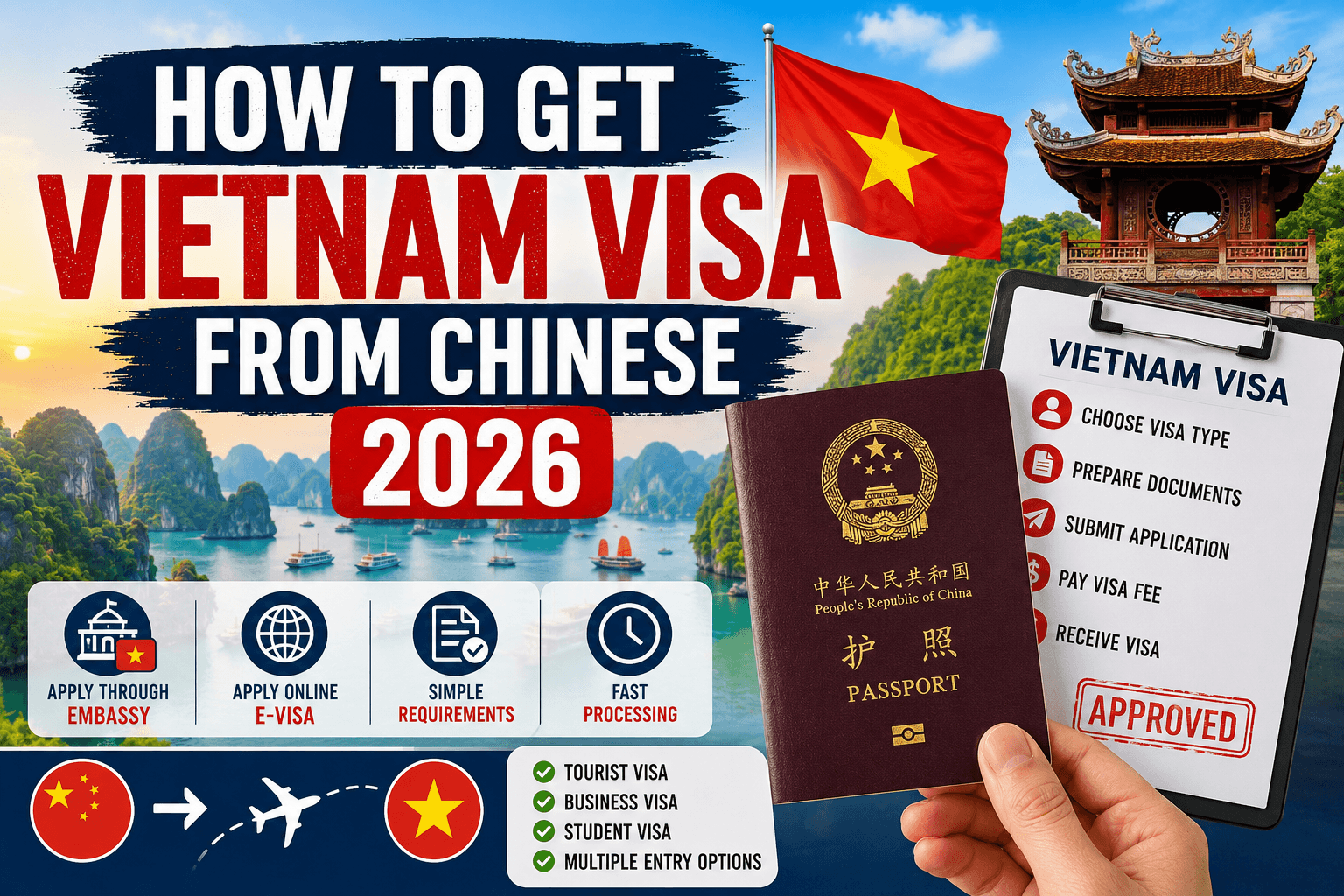
Getting a Vietnam visa from Chinese citizens in 2026 can appear to be a daunting task at first glance, but with the right information, the process can be streamlined. This guide will provide you with everything you need to know about securing a Vietnam visa as a Chinese citizen, including application procedures, required documents, and tips for a smooth experience.
Understanding the Types of Vietnam Visas
Before diving into the specifics of how to get a Vietnam visa, it's crucial to understand the various types of visas available. Each visa type serves different purposes, catering to the diverse needs of travelers.
Tourist Visa
A tourist visa is the most common type of visa for travelers seeking to explore Vietnam's vibrant culture, stunning landscapes, and rich history.
Tourist visas are typically issued for short stays, and they come in two primary forms: single-entry and multiple-entry visas. A single-entry visa allows an individual to enter Vietnam once, while a multiple-entry visa permits several entries within a specified duration. Depending on the traveler's itinerary, they will need to select the appropriate visa type.
Applying for a tourist visa is relatively straightforward. There are various avenues through which travelers can obtain their visas, such as through the Vietnamese embassy or consulate in China or via online applications, which has become increasingly popular in recent years. It is advisable to clearly outline the intended duration of stay and travel plans to ensure the correct visa is chosen.
Business Visa
For those traveling for business purposes, a business visa is required. This visa allows business travelers the flexibility to conduct meetings, negotiate contracts, or partake in short-term assignments in Vietnam.
Unlike tourist visas, business visas often come with more complex requirements. Applicants may be required to provide a sponsorship letter from a Vietnam-based business. This sponsorship must clearly state the purpose of the visit, the intended duration of stay, and an invitation to conduct business. Chinese citizens must ensure they have all necessary documentation prepared to avoid any delays in processing their visa application.
The typical processing time for a business visa can vary, but it is suggested that applicants apply at least four weeks prior to their intended departure date to account for any unforeseen circumstances or additional documentation that may be required.
Student Visa
For those intending to study in Vietnam, obtaining a student visa is mandatory. This type of visa is designed for international students looking to enroll in academic programs at Vietnamese institutions.
Student visas can be tricky as they often require proof of admission from a Vietnamese educational institution, as well as evidence of financial support during the course of study. It is essential for applicants to gather their acceptance letters, enrollment documentation, and financial records before applying.
Additionally, student visas may be issued for varying durations, depending on the program length and the school's regulations. Applicants must keep their status updated and comply with the immigration laws to avoid any complications during their stay.
Visa Application Procedures
Now that we have explored the different types of Vietnam visas, it's time to discuss the application procedures in detail. There are usually two main methods of applying for a visa to Vietnam: through the Vietnamese embassy or consulate and via the online visa application system.
Applying Through the Embassy
Applying for a Vietnam visa through the embassy is one of the most common methods employed by Chinese travelers.
To begin the process, applicants must locate the nearest Vietnamese embassy or consulate in China. It is advisable to check their official website for updated information regarding operating hours and specific requirements for visa applications. The next step involves preparing the necessary documents such as a completed visa application form, passport-sized photographs, and a valid passport with at least six months of validity remaining.
Once all documents are prepared, applicants must submit their application in person or through a representative. It is crucial to pay attention to any specified processing times and fees. The average processing time for a visa application through the embassy may take several working days, so it is essential to plan ahead.
Applying Online
In recent years, the online visa application process has gained popularity among travelers due to its convenience and efficiency. The Vietnamese government introduced an electronic visa system (e-visa) to facilitate the entry of foreigners, including Chinese citizens.
To begin the online application process, travelers must visit the official e-visa website and fill out the electronic application form. The application requires personal information, travel details, and passport information. It is vital to input accurate details, as any discrepancy could lead to complications in the visa approval process.
After submitting the application, travelers will receive an email confirmation along with a reference number. The processing usually takes around three business days, and once approved, the e-visa can be printed for presentation upon arrival in Vietnam. For travelers seeking a hassle-free experience, the online option is an ideal solution.
Important Documentation
Regardless of the method chosen to apply for a Vietnam visa, specific documentation is required. It is essential to ensure that all documents are complete and accurate to avoid delays or rejections.
Typically, applicants will need to provide a completed visa application form, passport photographs, a photocopy of their passport, and any additional documents specific to the visa type for which they are applying. For instance, business visa applicants may need a sponsorship letter, while student visa applicants must provide proof of enrollment.
Moreover, applicants should be prepared for potential follow-up queries or additional requirements from the embassy or immigration authorities. It’s beneficial to double-check all documentation to ensure a smooth and efficient application process.
Tips for a Smooth Visa Application
Navigating the visa application process does not have to be cumbersome. With the right approach and preparation, Chinese travelers can enjoy a seamless experience.
Start Early
Planning ahead can save travelers much stress when applying for their Vietnam visa. With varying processing times depending on the visa type, it is essential to start the visa application process well in advance of the intended departure date.
By initiating the application process early, travelers will have ample time to gather necessary documentation, rectify any issues that may arise, and ensure their visa is approved before their planned travels. Unexpected delays can happen for many reasons; therefore, having a buffer period can significantly reduce tensions.
Be Accurate and Complete
Accuracy plays a critical role in the visa application process. It is vital to fill out the application forms completely and correctly. Any discrepancies or errors in the application details can lead to rejections or extended processing times.
Before submitting the application, applicants should carefully review all details and ensure that their supporting documents are comprehensive. Taking the time to verify all information can expedite the process and minimize potential roadblocks.
Stay Informed About Regulations
Visa regulations and requirements are continually evolving, especially in light of recent global events. Therefore, it is vital for travelers to remain informed about the changing regulations that may impact their visa applications.
Regularly checking the official websites of the Vietnamese embassy or consulate, as well as the e-visa application portal, will help applicants stay updated on any changes affecting visa processing. Additionally, seeking advice from travel agencies or experienced travelers can provide valuable insights into navigating the process successfully.
On Arrival Visa Procedures in Vietnam
After securing a Vietnam visa, the next step is understanding what to expect upon arrival in Vietnam. Familiarizing oneself with the customs and immigration procedures can significantly ease the transition into the country.
Immigration Clearance
Upon arrival, travelers must first proceed through immigration clearance. This process generally involves presenting the visa approval letter (if applicable), completed arrival cards, and passports to the immigration officer. The officer will then verify the documentation, and upon confirmation, travelers will receive their entry stamp.
Chinese travelers should be mindful of the immigration statements that outline dates and limitations attached to their visas, which helps prevent any unintended overstays.
Customs Regulations
Alongside immigration procedures, travelers should familiarize themselves with Vietnam's customs regulations. Restrictions on certain items may apply, and it is essential to understand the limits for bringing goods into the country, including cash, food, and other materials.
Travelers should prepare themselves to declare any required items to avoid fines or confiscation. Acquainting oneself with these regulations in advance can streamline the arriving experience in Vietnam.
Local Transportation Options
Once cleared through immigration, it’s time to consider local transportation options available for travelers. Vietnam offers various means of transportation, from taxis and buses to ride-sharing services.
It’s advisable for newcomers to have a transportation plan in place as it may take time to adjust to local transport systems. Booking private transfers ahead of time can contribute to a seamless arrival experience.
Conclusion
Securing a Vietnam visa as a Chinese citizen in 2026 is not an overwhelming process if approached with the right information and thorough preparation. By understanding the various types of visas available, properly following application procedures, and staying informed about regulations, travelers can ensure they navigate the application journey smoothly. Familiarity with customs and immigration procedures upon arrival in Vietnam can further ease the transition. With this comprehensive guide, Chinese travelers are well-equipped to embark on their voyage to Vietnam seamlessly.
- Categories:
- Blog

STANLEY HO
Over the past 23 years in the travel service industry, the growth and success of TRANSOCEAN have stemmed not only from the dedication of our well-trained, enthusiastic, and customer-oriented staff, but also from the exceptional leadership of our Founder and CEO, Mr. STANLEY HO. With more than 20 years of experience in the travel and tourism sector, Mr. STANLEY HO possesses profound knowledge of the market, customer behavior, and modern travel trends. His strategic vision has guided the company toward sustainable growth while maintaining a strong commitment to service quality.