Vietnam Visa Fees Explained: What You Need to Know Before Applying
Latest update: Feb 3rd, 2026
Table of Contents
When planning a trip to Vietnam, one of the most critical aspects to consider is the Vietnam visa fee. Understanding the costs involved helps travelers budget effectively and navigate the application process smoothly. It’s essential to know what influences the visa fee, how different types of visas might vary in price, and the additional costs that might arise during your travel preparations.
This comprehensive guide aims to demystify the Vietnam visa fee structure, offering detailed insights into the various factors affecting costs and providing practical tips to ensure a seamless application process. Whether you're a first-time visitor or a seasoned traveler returning to Vietnam, understanding the nuances surrounding visa fees is crucial to avoid surprises and plan your journey more efficiently.
The Basics of Vietnam Visa Fees
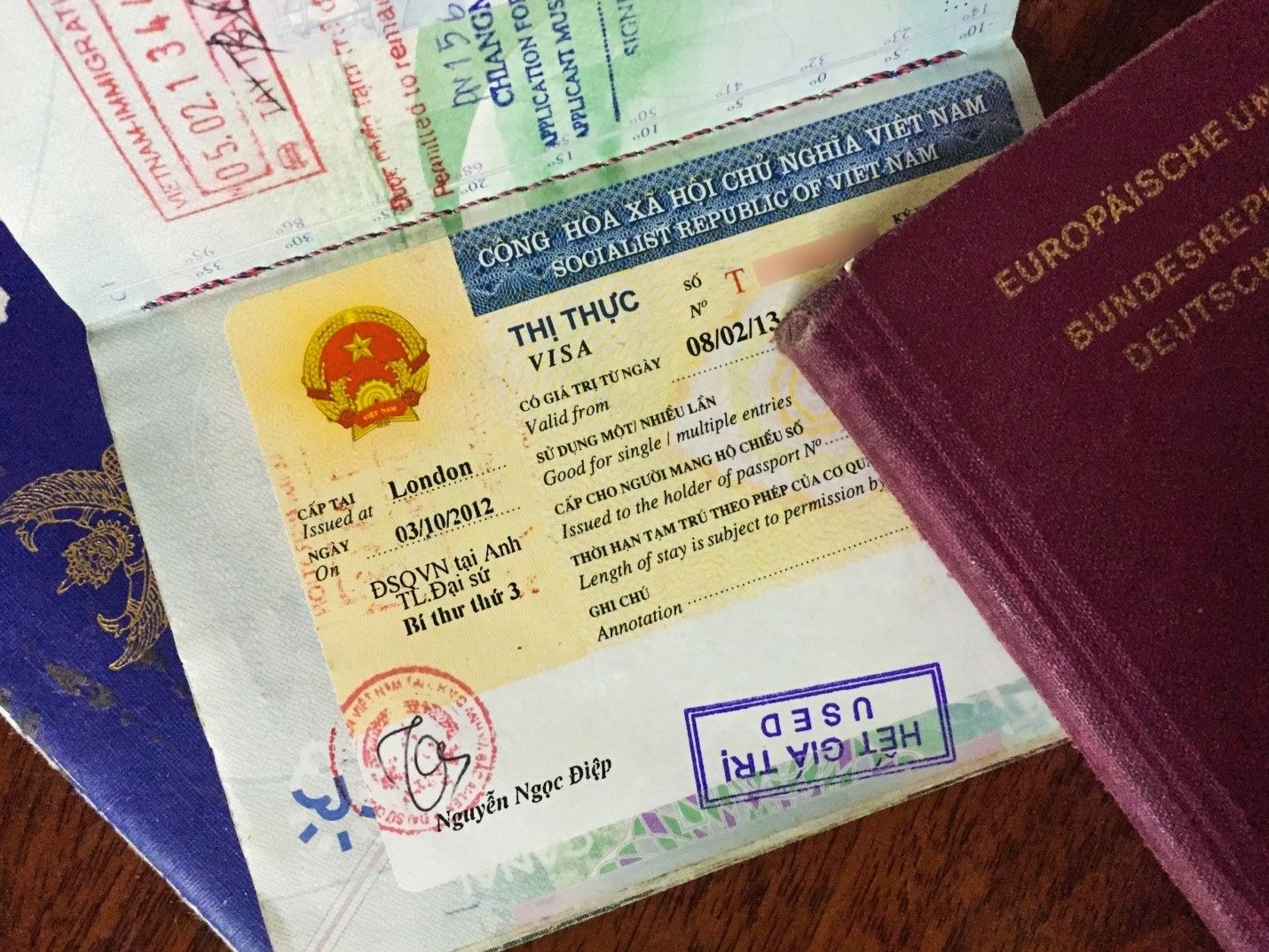
Embarking on the journey to understand Vietnam visa fee involves recognizing that the cost depends on multiple factors, including visa type, duration of stay, application methods, and nationality. Typically, visa fees are paid to the Vietnamese government or authorized agencies processing your visa application. It's important to distinguish between different visa categories, as each comes with its own pricing structure.
Understanding these essentials prepares travelers to make informed decisions and select the most suitable visa option that aligns with their travel plans and budget. Moreover, knowing what influences the fee helps avoid overpaying or falling for scams that sometimes target inexperienced applicants.
Before diving into specifics, it's crucial to grasp that visa fees are not static; they can fluctuate based on political, economic, or bilateral agreements, making it wise to verify current prices before submitting an application. This section sets the foundation for exploring the detailed structures of Vietnam visa fees.
Types of Vietnam Visas and Their Corresponding Fees
Different visas serve different purposes—from tourism and business to work or long-term settlement—and naturally, their costs vary significantly. The type of visa you apply for fundamentally influences Vietnam visa fee, with each category designed to cater to specific needs and durations.
Understanding this variation ensures travelers do not overpay for a longer or shorter stay and helps choose the most economical option for their circumstances. Additionally, recognizing the distinctions in visa types can help avoid unnecessary delays, as some visas require additional documentation or fees.
Tourist Visa Fees – Cost for Short Visits and Leisure Travel
The tourist visa fee is among the most common and generally the most affordable visa charges. It applies to travelers visiting Vietnam for leisure, sightseeing, or visiting friends and family. Attorney fees, if using a visa service, can vary, but the government fee is relatively straightforward.
Typically, a single-entry tourist visa valid for 30 days will have a fixed cost set by Vietnamese immigration authorities. Extending this visa or obtaining a multiple-entry visa may increase the Vietnam visa fee, adding some complexity but offering more flexibility for frequent travelers.
The fee structure reflects Vietnam's effort to promote tourism while maintaining fair pricing. For many travelers, choosing a visa with a longer validity or multiple entries can be more cost-effective in the long run, especially if they plan to visit neighboring countries or make multiple trips.
Business Visa Fees – Expenses for Work and Commercial Activities
For those traveling to Vietnam for business purposes, the business visa fee often involves higher costs due to its extended stay options and multiple entry privileges. Business visas require a sponsor or invitation letter from a Vietnamese company or organization, adding an extra layer of process and potential fees.
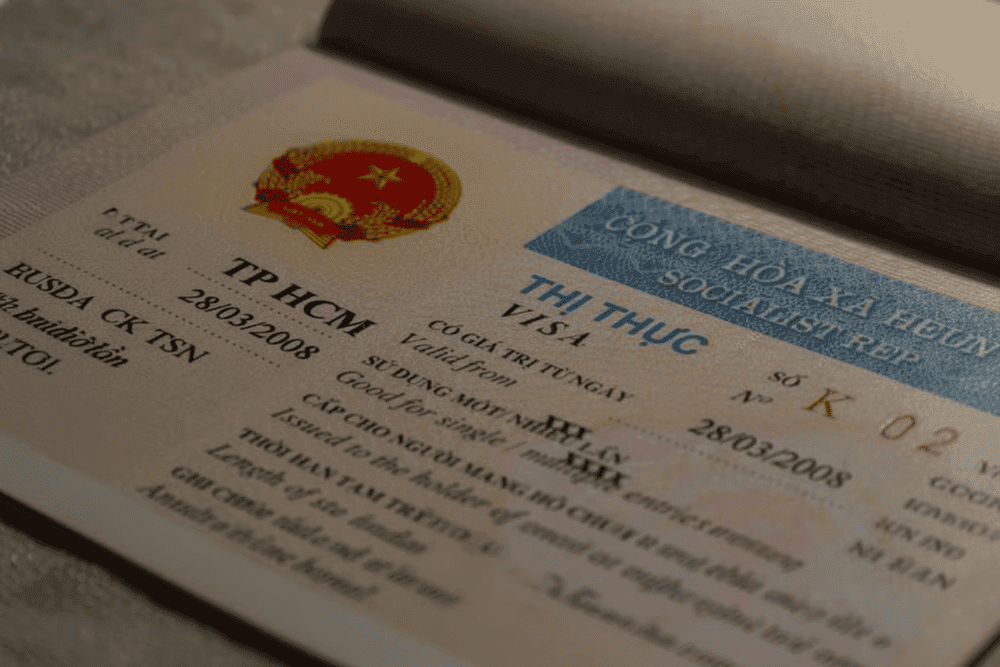
Business visa fees are influenced by factors such as duration (e.g., 3-month, 6-month, or 1-year visas), the number of entries permitted, and the necessity for renewal or extension. Agencies may charge additional service fees for processing or providing visas with expedited service or special conditions.
Given that Vietnam aims to attract foreign investment, the Vietnam visa fee structure for business travelers is designed to be competitive yet reflective of the value added by the visa's benefits. Planning ahead and understanding the fee structure can save considerable costs and avoid last-minute surprises.
E-Visa and Visa on Arrival Fees – Modern, Cost-Effective Options
Vietnam's e-visa and visa-on-arrival systems have revolutionized the application process by offering simplified, online procedures at relatively lower costs. These options are popular among tourists and short-term visitors seeking convenience and affordability.
The Vietnam visa fee for e-visas is usually a fixed, nominal amount payable online, often less than traditional visas, and suitable for stays up to 30 days. Visa on arrival fees also include government charges and service fees from agencies facilitating the process.
Using e-visas or visa-on-arrival options can significantly reduce overall costs and processing time. However, travelers should always verify current regulations and fees to avoid pitfalls associated with unofficial sources or scams.
Additional Costs and Hidden Fees Affecting Your Vietnam Visa Budget
While the main Vietnam visa fee is straightforward, travelers must be aware of additional costs that can impact the total expense. These include service charges, processing fees, document authentication, and costs related to visa extensions or renewals.
Proper budgeting requires understanding these supplementary expenses to avoid unforeseen financial burdens during or after the application process. Being well-informed also helps in choosing reliable service providers and avoiding scams that might inflate costs deceptively.
Service Fees from Visa Agencies and Consultants
Many travelers opt for visa approval through agencies or consultants who expedite the process and handle documentation. These services often charge a premium over government fees, citing convenience and faster processing times.
While these agencies simplify the process, it’s crucial to research their credibility and transparency regarding Vietnam visa fee breakdowns. Selecting reputable companies ensures you pay a fair fee and receive legitimate visas, preventing future legal or travel issues. Budgets should include these service charges as part of the total visa expense.
Using agencies might also involve specific processing or express service fees, which can double or triple the base fee. Planning ahead and comparing prices can help travelers find cost-effective solutions without compromising quality.
Visa Extension and Renewal Fees
Some travelers, especially long-term visitors, may need to extend or renew their visas. These processes involve additional Vietnam visa fees, calculated based on the duration of extension and visa type.
Extending a visa might be straightforward or complex depending on individual cases, and costs can vary depending on consulate or immigration department policies. It's essential to factor in these potential costs when budgeting for your trip, as doing so prevents cash flow issues or travel delays.
Visa renewal costs can also include document authentication, medical checks, or additional legal paperwork, adding to the total expenditure. Being aware of these charges allows travelers to plan their trip duration more effectively, minimizing unexpected expenses.
Other Hidden or Miscellaneous Fees
Travelers should also account for miscellaneous expenses such as biometric data collection, administrative processing fees, or transportation costs related to visa submission or collection point visits.
In some cases, if the visa application is rejected or requires resubmission, applicants might incur extra charges. Being informed about these potential fees and planning accordingly ensures a hassle-free experience.
Additionally, late visa extensions or overstays could attract fines or penalties, which can be significantly higher than the original Vietnam visa fee. Ensuring timely processing and compliance with regulations saves money and maintains travelers' legal standing.
How to Save on Vietnam Visa Fees: Tips for Cost-Effective Travel Planning
The Vietnam visa fee can be an essential part of your travel budget, but strategic planning can help optimize costs. By understanding various options and making informed choices, travelers can enjoy Vietnam without overspending.
From choosing the right visa type to leveraging online services, several practical tips can contribute to economical visa procurement. Smart planning not only saves money but also ensures a hassle-free experience.
Opting for E-Visa and Visa on Arrival Options
The online application process for e-visas and visa on arrival is not just a matter of convenience but also a significant cost-saving measure. These options typically involve lower government fees and eliminate the need for in-person visits to embassies or consulates.
Travelers should verify the eligibility criteria and duration restrictions to select the most suitable option. Using official portals or reliable agencies ensures authenticity, reduces risks of scams, and helps avoid hidden charges. These modern solutions are perfect for short trips, reducing both time and money.
Moreover, keeping up with policy updates can reveal new preferential rates or extensions to e-visa validity, providing additional savings. Taking advantage of this approach can make your Vietnam trip more affordable and less stressful.
Choosing the Right Visa Duration and Entry Type
Cost efficiency in Vietnam visa fees depends heavily on selecting the appropriate duration and number of entries. For example, if you plan multiple visits or extended stays, investing in a longer-term or multiple-entry visa could be more economical in the long run.
Evaluating your actual travel needs rather than opting for the shortest or most common visa minimizes unnecessary expenses associated with frequent renewals or extensions. This approach ensures that your Vietnam visa fee aligns with your travel itinerary, reducing extra costs.
Consulting with visa experts or embassy representatives can provide valuable insights into the most cost-effective visa options based on your specific plans. Thoughtful planning of your trip's length and flexibility equates to substantial savings on overall expenses.
Preparing Documentation in Advance to Avoid Additional Charges
Proper preparation of documentation, including invitation letters, bank statements, or proof of accommodation, can prevent delays and extra fees associated with reapplication or missed deadlines. Many applicants incur additional costs when rushed processing or legalizations are required unexpectedly.
Filing your application meticulously and ensuring all paperwork complies with Vietnamese regulations minimizes the risk of rejection or costly resubmissions. This proactive approach also reduces the likelihood of needing urgent processing services, which usually come with higher fees.
Investing time in thorough preparation initially can significantly reduce Vietnam visa fee expenditures in the long run. Staying organized and aware of all legal requirements guarantees a smoother, more budget-friendly application process.
Conclusion
Understanding the Vietnam visa fee and its multifaceted components is vital for any traveler planning a visit to Vietnam. The costs vary based on visa type, duration, processing method, and additional services, all of which require careful consideration to budget effectively. From the basic application fees for tourist and business visas to the supplementary costs associated with extensions, services, and optional procedures, being well-informed ensures transparency and financial prudence. Utilizing modern, online visa options like e-visas and visa on arrival can significantly cut costs and streamline the process, especially when coupled with strategic planning regarding visa duration and documentation readiness. Finally, choosing reliable service providers and staying updated on policy changes help avoid hidden fees or scams, making your travel to Vietnam more enjoyable and affordable. With proper planning and knowledge, navigating the Vietnam visa fee landscape becomes a manageable part of your overall travel experience, paving the way for a smooth and memorable trip to Southeast Asia’s vibrant destination.
- Categories:
- Blog

STANLEY HO
Over the past 23 years in the travel service industry, the growth and success of TRANSOCEAN have stemmed not only from the dedication of our well-trained, enthusiastic, and customer-oriented staff, but also from the exceptional leadership of our Founder and CEO, Mr. STANLEY HO. With more than 20 years of experience in the travel and tourism sector, Mr. STANLEY HO possesses profound knowledge of the market, customer behavior, and modern travel trends. His strategic vision has guided the company toward sustainable growth while maintaining a strong commitment to service quality.