Vietnam Visa Fee Details: Complete Guide for Travelers
Latest update: May 20th, 2026
Table of Contents
Traveling to Vietnam can be an exciting adventure filled with breathtaking landscapes, rich history, and vibrant culture. Before embarking on this journey, however, it is essential for travelers to familiarize themselves with the Vietnam visa fee, a vital aspect of the visa application process that often perplexes many. The Vietnam visa fee varies depending on the type of visa, processing time, and the applicant's nationality. This comprehensive guide aims to clarify the various aspects of Vietnam visa fees, helping travelers prepare adequately for their trip.
Types of Vietnam Visas and Their Fees
Understanding the different types of visas available to travelers is crucial, as this will directly influence the associated visa fees. The various categories of visas cater to a range of purposes such as tourism, business, or study. By recognizing these categories, travelers can better assess which visa aligns with their intended stay in Vietnam.
Tourist Visa
The tourist visa is the most common type for individuals visiting Vietnam for leisure purposes. It typically allows for a stay of up to 30 days and can be obtained via an e-visa or upon arrival.
With regard to fees, the cost of a tourist visa can vary based on the processing method. For instance, an e-visa typically ranges between $10 to $25, depending on the duration and processing speed chosen. This digital visa has gained popularity due to its convenience and straightforward application process that can be completed online.
When obtaining a tourist visa upon arrival, travelers usually must pay a service fee to the travel agency managing their visa application, which can vary significantly. Additionally, a stamping fee is required upon entry, generally amounting to $25 for a single entry or $50 for multiple entries. Understanding these fees is essential when budgeting for a trip to Vietnam.
Business Visa
For those traveling to Vietnam for business-related activities, a business visa is the appropriate choice. Business visas allow for a longer stay, typically up to 90 days, and permit multiple entries.
The Vietnam visa fee for a business visa tends to be higher due to its extended duration and privileges. Fees can range from $65 to $95, depending on the number of entries and whether the visa is processed through an embassy, a travel agency, or via e-visa application. Given the potential for frequent business trips, understanding the incremental cost associated with re-applying for this visa is crucial for business travelers.
Furthermore, obtaining a business visa may require additional documentation, including an invitation letter from a Vietnamese company, which may lead to additional fees associated with securing this paperwork. Insight into these requirements and associated costs is essential for minimizing potential delays.
Student Visa
Students wishing to study in Vietnam can apply for a student visa. This visa is particularly tailored for educational purposes, granting students the ability to reside in the country throughout their studies.
The visa fee for a student visa is generally more economical than that of a business visa, often costing between $30 and $50 depending on the duration of the study program. Besides these application fees, students may also incur costs associated with the requirement of an admission letter from their educational institution, which may vary based on the school’s policies and requirements.
Understanding the various fees tied to the student visa process allows international students to better budget for their educational expenses in Vietnam, including living costs and tuition fees.
Vietnam Visa Application Process and Timeline
The visa application process plays a significant role in determining when travelers will be able to enter the country, so understanding how it works and the typical timeline involved is key.
Applying for a Vietnam Visa Online
For many travelers, applying for a visa online through Vietnam's official e-visa platform is the most convenient approach. This digital process is designed to simplify the visa application experience. Prospective travelers must fill out personal information, upload essential documents such as a passport photo, and make the necessary payment to initiate the process.
The processing time for an e-visa usually takes around 3 working days. However, it's advisable to allow for an additional buffer to accommodate any unforeseen delays. Understanding these timelines can help travelers manage their schedules better and ensure they are not left scrambling for travel arrangements last minute.
Once the e-visa is approved, applicants will receive an official e-visa document that they must print out before travel. This document will be required at immigration upon arrival in Vietnam. Thus, travelers should be mindful to keep this printed document in a safe but accessible place.
Visa on Arrival Process
Alternatively, many international travelers opt for the visa on arrival process, which allows them to obtain a visa upon reaching Vietnam’s airports. This method involves pre-arranging an approval letter through a travel agency, which will enable entry into Vietnam.
Travelers must provide personal information, the intended duration of stay, and travel plans to the chosen travel agency, which typically processes the request within a day or two. Upon arrival, travelers will pay the stamping fee in cash (USD recommended) to receive their visa at the airport. It is essential for travelers to allow adequate time to receive their approval letters before departure to avoid potential delays upon landing.
Additional Tips for the Application Process
Considering the variety of visa application options available, travelers should carefully evaluate their specific needs when selecting their method. One strategic move is to begin the visa application early, ideally a month before travel. Early applications allow travelers to address unforeseen issues, such as missing documents or unexpected delays.
Additionally, being aware of the visa expiration dates and border regulations can help prevent misunderstandings, especially for travelers wishing to extend their stay. Those looking to extend a tourist visa must apply through the local immigration office, which typically incurs additional fees and requires comprehensive documentation to be conducted legally.
Vietnam Visa Fees Based on Nationality
The costs associated with the Vietnam visa fee can vary significantly depending on the traveler's nationality. Vietnam's immigration policies are often in response to diplomatic relations with various countries, leading to different visa requirements and fees.
ASEAN Countries
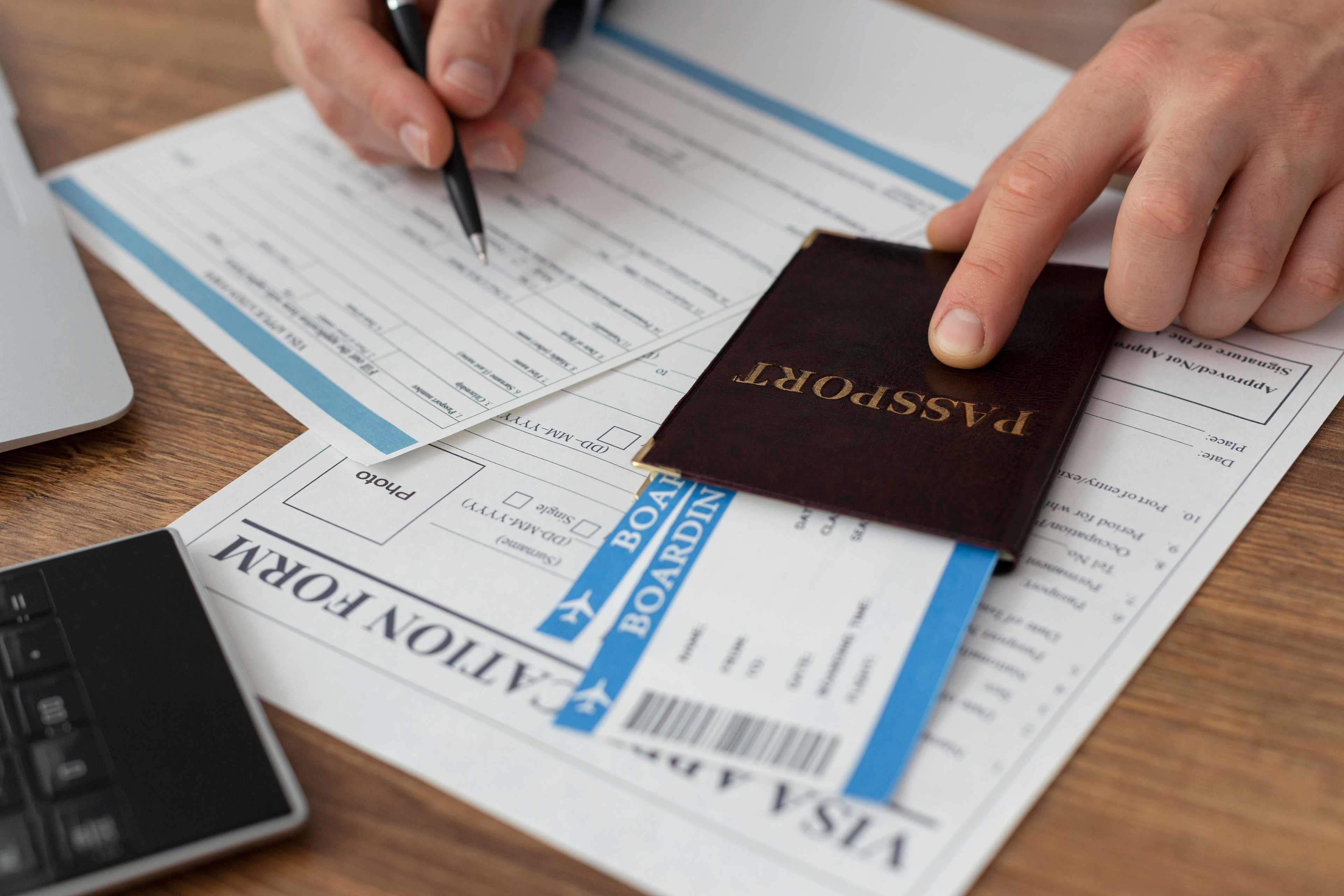
Countries that are part of the ASEAN (Association of Southeast Asian Nations) usually enjoy favorable conditions when it comes to the Vietnam visa. Nationals from ASEAN countries are permitted to enter Vietnam without a visa for stays of up to 30 days or, in some cases, even longer. However, it’s worth noting that visa fees apply for specific extensions or special circumstances like longer stays for work or study.
This exemption can significantly reduce travel costs for residents of ASEAN nations and presents opportunities for increased tourism and collaboration in the region. Travelers from these countries should, however, remain aware of any required documentation despite the visa-free access.
Non-ASEAN Countries
Travelers from non-ASEAN countries may face a different landscape regarding visa fees when planning to visit Vietnam. Nationals from these countries are often required to get a visa, which comes at a cost that varies considerably based on nationality and the application method selected.
For instance, travelers from the United States may face a higher application fee than those from Europe or Australia. This variance means travelers must take time to familiarize themselves with specific visa requirements, fees, and allowances for their respective countries. Understanding these nuances can ultimately foster a more seamless travel experience.
Special Categories and Exemptions
Certain categories of travelers, such as children under a specific age or diplomats, may be eligible for waivers or reduced immigration fees. For children—typically under the age of 14—accompanying adults may only need to apply for a visa for themselves, which can effectively decrease overall travel costs.
Travelers representing their governments or international organizations may be exempt from standard visa charges altogether, allowing them to focus on their missions rather than bureaucratic expenses. It is advisable to verify eligibility ahead of time to ensure a smoother process and fruitful travel experience.
Areas of Additional Consideration and Frequently Asked Questions
Focusing on the various aspects connected to the Vietnam visa fee is important, as travelers may have several queries regarding the whole process.
Refund Policies and Payment Methods
A common concern among travelers pertains to the refund policies. Most visa applications, once submitted, will not be refunded, even if a traveler’s situation changes. This stipulation highlights the importance of ensuring that all documents are correct before submission.
When it comes to payment, various methods may be available depending on the chosen application pathway. For e-visas, credit or debit cards are often accepted, which provides convenience for most travelers. Conversely, when paying for a visa on arrival, cash payment is generally required, leading travelers to be cautious in preparing the correct amount before their trip.
Extension Procedures and Fees
For those who find themselves enjoying their stay in Vietnam and wish to stay longer than their visa allows, it’s essential to understand the extension process and associated fees. The extension process requires travelers to visit a local Immigration Department and submit an application detailing the reasons for the extension. Processing times can take several business days, so travelers must allow for adequate time.
Users should know that extension fees vary based on the duration requested. Factors include whether they are seeking a single or multiple entry, which can impact the overall price significantly. While it is possible to extend a tourist visit, any extended stay should be planned well in advance to avoid potential overstays and fines.
Health and Travel Insurance Impact on Visa Fees
In today's global travel climate, many are increasingly concerned about health and travel insurance when it comes to traveling abroad. While not directly related to the Vietnam visa fee, having reliable insurance can greatly affect a traveler’s overall expenses and experience.
Some travelers may find their insurance policy have stipulations regarding visa refusals or entry denials due to health guidelines and safety. Understanding these aspects will enhance travelers' confidence in their travel decisions and expenses, allowing them to manage risks more effectively while journeying through Vietnam.
Conclusion
Traveling to Vietnam presents travelers with a unique opportunity to explore its captivating culture and landscapes, preparing adequately for the visa application process is crucial in ensuring a smooth and enjoyable journey. From understanding the varying Vietnam visa fee structures and application processes to recognizing important considerations based on nationality, having in-depth knowledge can significantly ease potential administrative burdens. By being proactive and informed, travelers can focus on creating memorable experiences in this beautiful country rather than navigating unexpected obstacles during their trip.
- Categories:
- Blog

STANLEY HO
Over the past 23 years in the travel service industry, the growth and success of TRANSOCEAN have stemmed not only from the dedication of our well-trained, enthusiastic, and customer-oriented staff, but also from the exceptional leadership of our Founder and CEO, Mr. STANLEY HO. With more than 20 years of experience in the travel and tourism sector, Mr. STANLEY HO possesses profound knowledge of the market, customer behavior, and modern travel trends. His strategic vision has guided the company toward sustainable growth while maintaining a strong commitment to service quality.