
Unlocking Urgent Travel - Emergency Visa Application for Vietnam
Latest update: Jul 11th, 2026
Table of Contents
- Urgent Visa Applications for Vietnam: Understanding the Expedited Process
- Eligibility Criteria for Emergency Visa Applications to Vietnam
- Required Documentation for Expedited Vietnamese Visa Submission
- Navigating the Application and Approval Timeline for Emergency Visas
- Common Scenarios Requiring an Emergency Vietnam Visa
- Post-Approval Procedures and Considerations for Emergency Visas
- Conclusion
In an increasingly connected world, unforeseen circumstances often demand swift action, making the emergency visa application Vietnam a vital lifeline for travelers facing urgent needs. This process allows individuals to bypass standard waiting times and secure entry into Vietnam for compelling reasons such as family emergencies, critical business matters, or sudden health issues. By understanding the nuances of this expedited service, applicants can navigate potential roadblocks with confidence, ensuring they arrive in Vietnam without unnecessary delays.
Urgent Visa Applications for Vietnam: Understanding the Expedited Process
The concept of an emergency visa application Vietnam is designed to address situations where time is of the essence, offering a streamlined pathway for those who cannot adhere to the standard visa timelines. Typically, regular visa applications can take several weeks, involving meticulous reviews and processing, but the expedited option prioritizes cases backed by genuine urgency. This process often involves direct communication with Vietnamese immigration authorities or authorized visa centers, where applicants must provide evidence of their emergency to qualify. For instance, if you're dealing with a sudden family illness, the application might be fast-tracked through electronic submissions or priority services at embassies. Beyond the basics, it's essential to recognize that this expedited route isn't just about speed; it also incorporates additional scrutiny to prevent abuse, ensuring that only legitimate cases proceed. This balance helps maintain the integrity of Vietnam's immigration system while providing relief to those in dire need.
Moreover, understanding the expedited process requires familiarity with the supporting infrastructure, such as online portals and visa-on-arrival options that can be adapted for emergencies. In Vietnam, the government has modernized its visa services to include e-visas, which can be processed in as little as one to three days for urgent applications, compared to the standard seven to ten days. This evolution reflects a broader trend in global travel, where countries are adapting to the demands of modern life, such as global pandemics or economic fluctuations that might necessitate immediate travel. To make the most of this, applicants should prepare by gathering preliminary documents and consulting with visa experts who can guide them through the nuances, like fee structures or regional variations in processing times. Ultimately, emergency visa application Vietnam not only expedites entry but also embodies a commitment to humanitarian principles, allowing travelers to focus on resolving their crises rather than bureaucratic hurdles.
Eligibility Criteria for Emergency Visa Applications to Vietnam
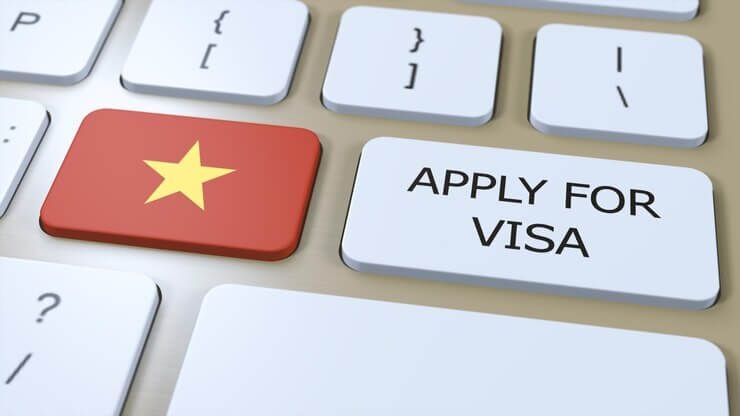
To qualify for an emergency visa application Vietnam, applicants must meet specific eligibility criteria that emphasize the urgency and legitimacy of their situation, setting it apart from routine visa requests. Generally, Vietnamese authorities define emergencies as events that pose immediate risks to life, health, property, or significant financial loss, such as a sudden death in the family, a critical business deal, or an unforeseen medical procedure. Citizenship plays a role here; most nationalities are eligible, but applicants from countries with visa exemptions or e-visa agreements might have simplified processes. Additionally, proof of ties to Vietnam, like family connections or ongoing business interests, strengthens an application, as it demonstrates a genuine need for expedited entry. This criterion ensures that the system is used appropriately, preventing it from being overwhelmed by non-essential requests and maintaining efficiency for those who truly need it.
Delving deeper, the eligibility process often involves a preliminary assessment by the applicant's home country's Vietnamese embassy or consulate, where factors like the applicant's travel history, financial stability, and the nature of the emergency are evaluated. For example, if you're a business professional needing to attend an urgent meeting in Hanoi due to a contract dispute, you'll need to submit affidavits or letters from employers corroborating the emergency. This level of detail goes beyond surface requirements, as authorities may also consider external factors like current global events—such as natural disasters in Vietnam—that could amplify the urgency. By adhering to these criteria, applicants not only increase their chances of approval but also contribute to a fairer system that prioritizes those in genuine distress, highlighting the adaptive nature of emergency visa application Vietnam in a dynamic world.
Required Documentation for Expedited Vietnamese Visa Submission
When preparing for an emergency visa application Vietnam, assembling the right documentation is crucial, as it forms the backbone of a successful expedited request and differentiates it from standard procedures. Essential items include a valid passport with at least six months' validity, a completed visa application form, and photographs meeting specific guidelines, but for emergencies, you'll also need supporting evidence like medical certificates, death certificates, or business invitation letters that clearly outline the urgency. Vietnamese authorities often require these documents to be translated into English or Vietnamese and notarized, ensuring authenticity and reducing processing delays. This step underscores the importance of preparation, as incomplete submissions can lead to rejections even in urgent cases, potentially extending timelines when every hour counts.
Furthermore, beyond the basics, applicants should anticipate additional requirements that add layers of verification, such as bank statements to prove financial solvency or travel itineraries that align with the emergency's timeline. For instance, if the emergency involves attending a family wedding that was suddenly moved up due to unforeseen circumstances, including flight bookings and hotel reservations can bolster the application. This comprehensive approach not only streamlines the process but also reflects Vietnam's commitment to secure borders while accommodating urgent needs. By meticulously organizing these documents, individuals engaging in emergency visa application Vietnam can navigate the system more effectively, turning a stressful situation into a manageable one.
Navigating the Application and Approval Timeline for Emergency Visas
Navigating the timeline for an emergency visa application Vietnam involves a series of steps that can significantly shorten the usual wait, but it demands proactive engagement from the applicant to ensure smooth progression. Once submitted, applications are typically reviewed within 24 to 72 hours, depending on the embassy's workload and the nature of the emergency, compared to the standard one to two weeks. This accelerated timeline requires applicants to monitor their status through online portals or direct embassy contacts, providing any additional information promptly to avoid setbacks. Factors like the time of submission—such as during peak seasons or holidays—can influence processing, so opting for electronic submissions often expedites things further. Understanding this flow helps applicants manage expectations and plan their travel accordingly.
In greater detail, the approval process might include follow-up interviews or verifications, especially for complex emergencies, which could extend the timeline slightly but still keep it under a week. For example, if your emergency involves a legal matter in Ho Chi Minh City, authorities might cross-reference details with local contacts to confirm validity. This stage highlights the blend of technology and human oversight in emergency visa application Vietnam, where digital tools facilitate faster decisions while maintaining security. By staying informed and responsive, applicants can not only adhere to the timeline but also appreciate the efficiency that makes this process a cornerstone of modern international travel.
Common Scenarios Requiring an Emergency Vietnam Visa
Common scenarios for an emergency visa application Vietnam often revolve around personal crises, professional obligations, or health-related issues that demand immediate attention, illustrating the versatility of this service. A frequent case is family emergencies, such as the sudden illness or passing of a relative, where travelers need to reach Vietnam quickly to provide support or attend funerals. Business professionals might require an emergency visa for urgent meetings, contract signings, or disaster recovery efforts, especially in Vietnam's dynamic economy. Additionally, medical tourism or accompanying a loved one for treatment in Vietnamese hospitals can qualify, given the country's renowned healthcare facilities. These scenarios underscore the human element, reminding us that emergency visa application Vietnam is more than paperwork—it's a gateway to resolving real-life challenges.
Expanding on these, other situations include natural disasters or political events that disrupt plans, like attending to property affected by typhoons in coastal areas, or even participating in international aid efforts. For instance, journalists covering breaking news in Vietnam might need expedited visas to report on the ground. This breadth of scenarios reflects how emergency visa application Vietnam adapts to global uncertainties, from economic downturns to personal milestones, ensuring that individuals aren't hindered by visa delays in critical moments.
Post-Approval Procedures and Considerations for Emergency Visas
After approval of an emergency visa application Vietnam, several post-approval procedures come into play to ensure a seamless entry and stay, extending beyond the initial grant to focus on compliance and extension possibilities. Once the visa is issued, typically via email or at the port of entry, applicants must verify details like duration and entry points, as emergency visas often have shorter validity periods—ranging from 30 to 90 days—compared to standard ones. Upon arrival, presenting the visa along with supporting documents at immigration checkpoints is mandatory, and travelers should be prepared for health and security screenings, especially in light of recent global health protocols. This phase emphasizes responsibility, as any discrepancies could lead to complications, making it essential to double-check all information.
Furthermore, considerations for extending or converting the emergency visa, such as for ongoing emergencies, involve submitting renewal requests through local immigration offices in Vietnam, often requiring updated documentation like proof of continued urgency. For example, if an initial family emergency evolves into a longer-term caresituation, individuals may need to provide proof of medical care or ongoing circumstances requiring their presence. This step can be nuanced and requires attention to detail, ensuring that all paperwork aligns with Vietnamese immigration laws to avoid unexpected interruptions during their stay. The ability to adapt an emergency visa application Vietnam can provide travelers with essential flexibility, enabling them to focus on what brought them to Vietnam in the first place.
Moreover, travelers should also consider long-term implications of their stay, such as local laws regarding foreign nationals and any cultural sensitivities pertinent to their visit. For instance, it's wise to familiarize oneself with local customs and legal regulations, especially if the emergency necessitates extended interactions, such as engaging in healthcare or legal matters. Cultivating an understanding of the environment and building connections with local resources can enhance the experience and support during challenging times. Therefore, thorough preparation and awareness of the local landscape can significantly ease post-approval procedures and foster a smoother experience during what may already be a stressful period.
Conclusion
In conclusion, understanding the intricacies of the emergency visa application Vietnam process is pivotal for those facing urgent circumstances that necessitate travel. By acknowledging the eligibility criteria and requisite documentation, being mindful of the application timeline, recognizing common emergency scenarios, and being prepared for post-approval procedures, applicants can navigate this complex system more effectively. Each phase highlights the importance of thorough preparation and proactive engagement while reflecting Vietnam's commitment to balancing security with the urgent needs of travelers. Ultimately, this comprehensive approach ensures that individuals can address their pressing concerns while ensuring a smoother transition into Vietnamese society amid unforeseen challenges.
- Categories:
- Blog

STANLEY HO
Over the past 23 years in the travel service industry, the growth and success of TRANSOCEAN have stemmed not only from the dedication of our well-trained, enthusiastic, and customer-oriented staff, but also from the exceptional leadership of our Founder and CEO, Mr. STANLEY HO. With more than 20 years of experience in the travel and tourism sector, Mr. STANLEY HO possesses profound knowledge of the market, customer behavior, and modern travel trends. His strategic vision has guided the company toward sustainable growth while maintaining a strong commitment to service quality.