
Unlocking Urgent Access - Emergency Visa Vietnam Essentials
Latest update: Jun 10th, 2026
Table of Contents
- Understanding Emergency Visa Requirements for Vietnam
- Eligibility Criteria for an Emergency Visa to Vietnam
- Navigating the Vietnam Emergency Visa Application Process
- Required Documentation for Emergency Visa Applications
- Expedited Processing and Timeline for Emergency Visas
- Alternatives and Considerations for Urgent Travel to Vietnam
- Conclusion
Emergency visa Vietnam offers a lifeline for travelers facing unforeseen circumstances, allowing swift entry into the vibrant landscapes of Vietnam when time is of the essence. This specialized visa category is designed for urgent situations such as family emergencies, medical needs, or critical business matters, streamlining the process to ensure you can reach your destination without unnecessary delays. Whether you're dealing with a sudden bereavement or an unexpected professional obligation, understanding Emergency visa Vietnam can make all the difference in navigating Vietnam's welcoming borders efficiently.
Understanding Emergency Visa Requirements for Vietnam
Emergency visas for Vietnam are not just a standard travel permit; they represent a flexible solution tailored for individuals caught in pressing situations that demand immediate action. These visas are issued by Vietnamese authorities to accommodate urgent needs, such as attending to a gravely ill family member or responding to a natural disaster. Unlike regular tourist or business visas, which follow a more predictable timeline, emergency options prioritize speed and accessibility, often bypassing some of the bureaucratic hurdles. This approach reflects Vietnam's commitment to humanitarian aid and efficient governance, making it an essential tool for global citizens in crisis. By delving into the specifics, travelers can appreciate how these requirements balance security with compassion, ensuring that only genuine emergencies are fast-tracked.
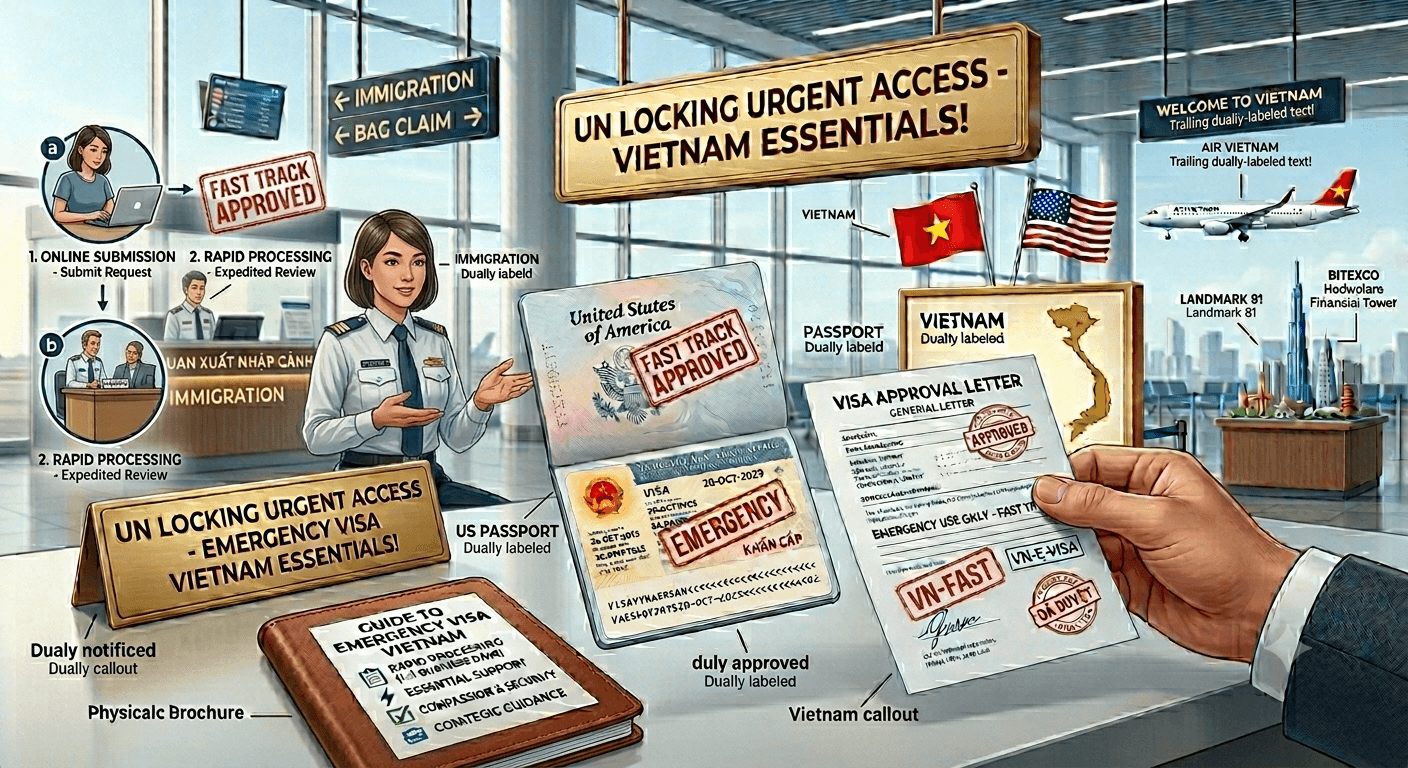
To fully grasp the requirements, it's crucial to recognize the various factors that influence eligibility, including the type of emergency and the applicant's background. For instance, applicants must demonstrate a clear and verifiable reason for the urgency, supported by documentation like medical reports or death certificates. Vietnam's immigration policies also consider the applicant's nationality, as certain countries have pre-existing agreements that might expedite the process further. Beyond the basics, understanding cultural nuances, such as the importance of family ties in Vietnamese society, can enhance your application. This deeper insight not only helps in preparing a stronger case but also fosters a sense of respect and preparedness when dealing with international travel emergencies.
Eligibility Criteria for an Emergency Visa to Vietnam
Determining eligibility for an emergency visa to Vietnam involves a thorough evaluation of your circumstances, ensuring that only those with legitimate urgent needs qualify. Typically, applicants must prove that their travel is necessitated by events like serious illness, death in the family, or unforeseen business crises that cannot wait for standard processing times. Vietnamese authorities assess factors such as the applicant's ties to Vietnam, their travel history, and the immediacy of the situation to prevent misuse of this expedited pathway. This criteria-based approach maintains the integrity of the system while providing rapid assistance, highlighting Vietnam's balanced immigration strategy that supports both security and humanitarian efforts.
Moreover, eligibility extends to various traveler profiles, including tourists, business professionals, and even students, as long as the emergency aligns with predefined categories. For example, if you're a foreign national with immediate family in Vietnam facing a health emergency, you might qualify more readily. It's also important to note exclusions, such as individuals with prior visa violations or those from countries without diplomatic relations with Vietnam. This level of scrutiny ensures fairness, encouraging applicants to prepare by gathering evidence and understanding potential pitfalls. By mastering these criteria, travelers can approach their applications with confidence, turning a stressful situation into a manageable one.
Navigating the Vietnam Emergency Visa Application Process
The application process for an emergency visa to Vietnam is designed for efficiency, allowing applicants to submit requests through online portals, embassies, or consulates, depending on their location and the urgency involved. Once you identify your emergency, the first step is to access the official Vietnamese immigration website or contact the nearest embassy to initiate the process, where you'll need to fill out forms detailing your situation. This digital-first approach, enhanced by user-friendly interfaces, reduces paperwork and accelerates approval, but it requires attention to detail, such as uploading clear documents and providing accurate contact information. Understanding this streamlined pathway not only saves time but also minimizes errors that could delay your travel plans.
Beyond the initial submission, navigating the process involves monitoring your application status and being prepared for follow-up communications from immigration officials. For instance, you might need to participate in a virtual interview or provide additional clarifications to verify your emergency. Vietnam's system often integrates with international databases to cross-check information quickly, adding a layer of security while expediting decisions. This comprehensive process, while rigorous, empowers applicants to feel more in control, transforming what could be a chaotic experience into an organized journey toward resolution.
Required Documentation for Emergency Visa Applications
Gathering the required documentation for an emergency visa application to Vietnam is a critical step that demands precision and thoroughness to substantiate your urgent needs. Essential items include a valid passport with at least six months' validity, a completed visa application form, and evidence of the emergency, such as hospital letters or official death notices. These documents must be translated into English or Vietnamese if they're in another language, ensuring that authorities can easily verify their authenticity. This requirement underscores the importance of preparation, as incomplete submissions can lead to delays, even in emergency cases. By organizing these materials effectively, applicants can demonstrate their seriousness and respect for the process.
In addition to core documents, supporting evidence like flight itineraries, proof of financial stability, and letters from employers or family members can strengthen your application. For example, if your emergency involves business, including contracts or invitations from Vietnamese partners adds credibility. This holistic approach not only meets legal standards but also tells a compelling story about your situation, making your case more relatable and persuasive to reviewers. Understanding the nuances of these requirements allows travelers to navigate potential challenges with greater ease, ultimately facilitating smoother entry into Vietnam.
Expedited Processing and Timeline for Emergency Visas
Expedited processing for emergency visas to Vietnam is a hallmark of the country's responsive immigration system, often resulting in approvals within 24 to 72 hours under ideal conditions. Once your application is submitted with all necessary documentation, authorities prioritize it based on the severity of the emergency, using dedicated channels to bypass standard queues. Factors like the time of day, your location relative to a Vietnamese embassy, and the volume of applications can influence the timeline, so applying during business hours in Vietnam is advisable. This rapid turnaround exemplifies how technology and policy work hand-in-hand to support urgent travel, providing a beacon of hope for those in distress.
However, it's essential to manage expectations regarding potential variables that could extend processing times, such as verification delays or holiday periods. For instance, if additional scrutiny is needed for high-risk emergencies, you might experience a slight holdup, though Vietnam's officials strive for transparency and communication throughout. Costs for expedited services, which can range from modest fees to higher premiums, reflect the value of this priority access. By weighing these timelines against your needs, travelers can plan more effectively, ensuring that their emergency visa Vietnam experience is as seamless as possible.
Alternatives and Considerations for Urgent Travel to Vietnam
While emergency visas offer a direct solution for urgent travel to Vietnam, exploring alternatives can provide additional flexibility and peace of mind in high-stakes situations. Options like the e-visa program, which allows for online applications and quicker processing for standard visits, might be adapted for semi-urgent needs, though they lack the same level of prioritization. Visa on arrival is another viable route for certain nationalities, especially if you're entering through major airports. However, this method often necessitates advance arrangements with sponsoring Vietnamese entities, thus limiting its availability for immediate emergencies. Exploring these alternatives enables travelers to examine all available pathways, ensuring that options are weighed carefully, catering to both urgency and personal circumstance.
Moreover, in some cases, reaching out directly to Vietnamese consulates or embassies for potential special considerations can yield positive outcomes. Humanitarian assistance and compassionate grounds can lead to unique solutions for specific cases. It’s advisable to gather as much context as possible about your situation and ask about any temporary measures or waiver policies that might be in place, particularly in times of crisis. Always keeping a vigilant ear to potential travel advisories and changes in immigration policy can further empower travelers in making informed decisions about proceeding with their plans.
Conclusion
The process of applying for an emergency visa to Vietnam is underscored by a set of clearly defined eligibility criteria, a straightforward application procedure, and specific documentation requirements that aim to support urgent travel needs without compromising security. The swift processing times, often expedited by technology, provide a significant relief for those in distressing situations. While navigating this pathway, it's essential to remain adaptable and aware of alternative options, as well as maintaining communication with relevant consular officials, to ensure that your travel decisions are sound and well-informed. Ultimately, understanding each element of this system not only enables a smoother journey into Vietnam but also sheds light on the country's broader immigration policies that harmonize security and humanitarian considerations for all travelers.
- Categories:
- Blog

STANLEY HO
Over the past 23 years in the travel service industry, the growth and success of TRANSOCEAN have stemmed not only from the dedication of our well-trained, enthusiastic, and customer-oriented staff, but also from the exceptional leadership of our Founder and CEO, Mr. STANLEY HO. With more than 20 years of experience in the travel and tourism sector, Mr. STANLEY HO possesses profound knowledge of the market, customer behavior, and modern travel trends. His strategic vision has guided the company toward sustainable growth while maintaining a strong commitment to service quality.