Unlock the Secrets of Vietnam eVisa – A Traveler's Guide
Latest update: Jun 26th, 2026
Table of Contents
- Navigating the Vietnam e-Visa Application Process
- Eligibility and Requirements for Vietnam's Electronic Visa
- Benefits of Applying for a Vietnam e-Visa
- Step-by-Step Guide to Obtaining Your Vietnam e-Visa
- Visa Policies and Regulations for Vietnam
- Visa Policies and Regulations for Vietnam (continued)
- Troubleshooting Common Issues with Vietnam e-Visa Applications
- Conclusion
Discovering the ease of obtaining a Vietnam eVisa can transform your travel plans, offering a seamless gateway to explore Vietnam's vibrant culture, stunning landscapes, and rich history. This digital visa option simplifies the traditional bureaucratic hurdles, allowing travelers from eligible countries to apply online and receive approval quickly. Whether you're planning a leisurely beach vacation in Nha Trang or an adventurous trek through the rice terraces of Sapa, understanding Vietnam eVisa is your first step toward an unforgettable journey. In this comprehensive guide, we'll delve into the intricacies of the application process, ensuring you're well-prepared for your Vietnamese adventure.
Navigating the Vietnam e-Visa Application Process
The Vietnam eVisa application process represents a modern leap in international travel, designed to streamline what was once a cumbersome affair. Introduced by the Vietnamese government in 2017, this electronic visa system allows eligible applicants to submit their details online, bypassing the need for embassy visits or lengthy paperwork. This digital approach not only accelerates approval times—often within three working days—but also reduces the environmental impact by minimizing printed documents. For travelers, this means more time savoring Vietnam's culinary delights, such as pho and banh mi, rather than dealing with administrative delays. The process is user-friendly, accessible via the official Vietnamese immigration website, and requires only a stable internet connection and basic personal information.
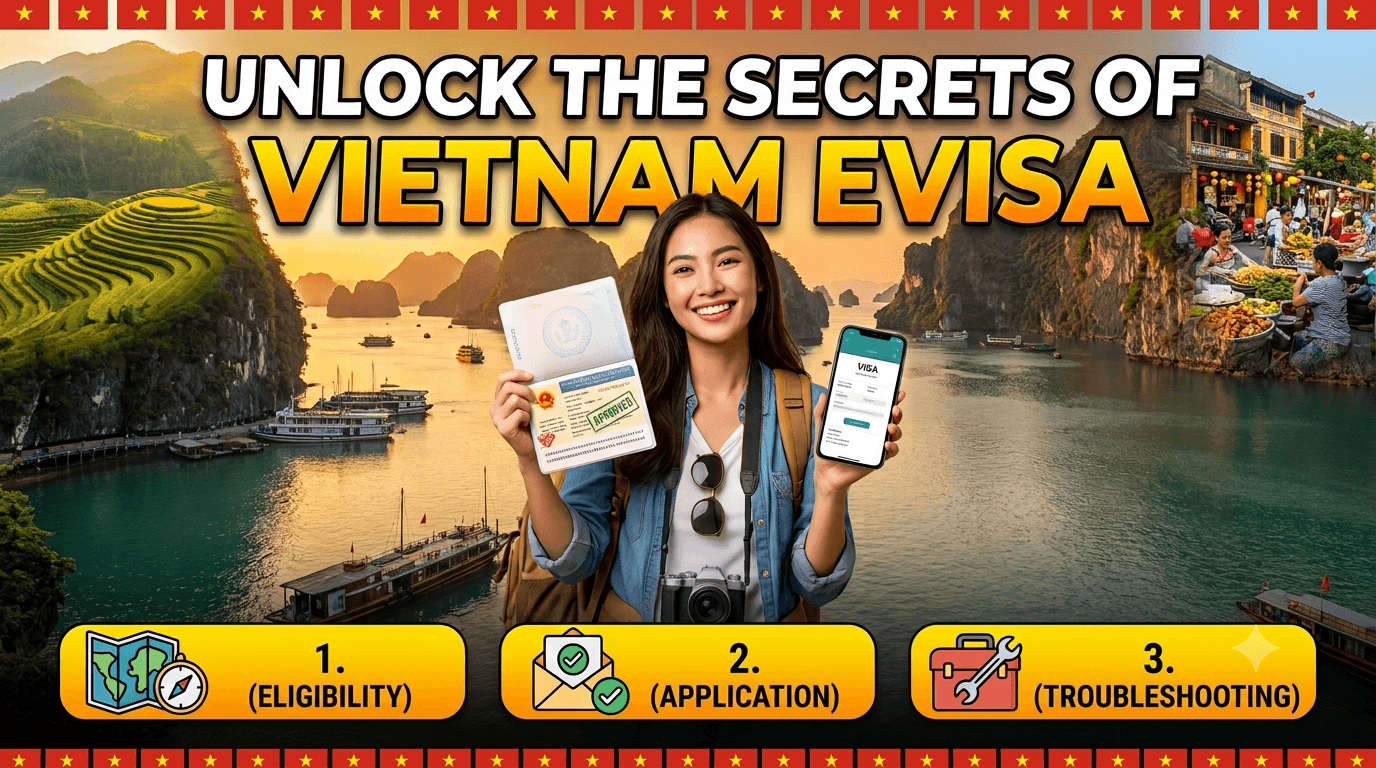
Beyond the basics, navigating the Vietnam eVisa involves understanding its nuances to avoid common pitfalls. For instance, applicants must ensure their passport remains valid for at least six months beyond their intended entry date, a rule that underscores Vietnam's emphasis on traveler security. Once submitted, the application is reviewed by immigration authorities, who may request additional documents like proof of onward travel or hotel bookings. This stage is where personalization shines; travelers can use the process to plan their itinerary, perhaps coordinating eVisa approval with flights to Hanoi or Ho Chi Minh City. By embracing this digital tool, adventurers gain not just entry but a sense of empowerment, knowing they've mastered a key aspect of modern global exploration.
Eligibility and Requirements for Vietnam's Electronic Visa
Eligibility for the Vietnam eVisa is tailored to foster tourism while maintaining national security, making it accessible to citizens of over 80 countries. Generally, applicants must be traveling for tourism, business, or short-term visits, with the eVisa valid for a single entry and up to 30 days. This inclusivity reflects Vietnam's growing role as a Southeast Asian hub, welcoming diverse visitors from Europe, the Americas, and beyond. To qualify, individuals need a passport with at least six months' validity, a digital photo meeting specific guidelines, and a valid email address for notifications. These requirements are straightforward, encouraging even first-time travelers to apply confidently and explore destinations like the ancient town of Hoi An or the bustling streets of Saigon.
Diving deeper, the requirements for Vietnam eVisa go beyond surface-level checks to ensure a smooth experience. Applicants are required to provide evidence of sufficient funds for their stay, which might include bank statements or sponsorship letters, highlighting Vietnam's commitment to responsible tourism. Additionally, the application form demands accurate details about your travel plans, such as entry and exit ports, to prevent any mismatches that could lead to denial. This level of detail not only streamlines border processing but also allows travelers to reflect on their trip—perhaps deciding between entering via Hanoi Airport or a land border from Laos. By adhering to these criteria, applicants position themselves for success, turning what could be a hurdle into a gateway for authentic cultural immersion.
Benefits of Applying for a Vietnam e-Visa
Applying for a Vietnam eVisa offers unparalleled benefits that enhance the overall travel experience, starting with its convenience and speed. Unlike traditional visas that require in-person submissions and weeks of waiting, the eVisa can be processed in as little as 24 hours for an expedited fee, freeing up your schedule for last-minute adventures. This efficiency is particularly advantageous for digital nomads or spontaneous travelers, who can apply from anywhere in the world using just a smartphone or computer. Financially, it's cost-effective too; the fees are transparent and often lower than embassy counterparts, allowing you to allocate more budget toward experiences like cruising Halong Bay or sampling street food in Hanoi.
The advantages extend to security and reliability, making Vietnam eVisa a smart choice for modern explorers. Once approved, the eVisa is linked directly to your passport, reducing the risk of loss or damage associated with physical stickers. This digital format also means easier tracking through the government's portal, where you can monitor your application's status in real-time. For families or groups, the process simplifies coordination, as multiple applications can be handled simultaneously. Ultimately, opting for Vietnam eVisa isn't just about entry; it's about embracing a hassle-free journey that lets you focus on Vietnam's enchanting tapestry of history, nature, and hospitality.
Step-by-Step Guide to Obtaining Your Vietnam e-Visa
Embarking on the Vietnam eVisa application begins with visiting the official website, a straightforward step that sets the foundation for your trip. Start by selecting your nationality and travel purpose from the dropdown menus, ensuring accuracy to match your passport details. You'll then upload a recent photo and a scanned copy of your passport's bio page, both of which must meet the specified technical requirements for clarity and size. This initial phase is designed for ease, with helpful prompts guiding you through, much like planning an itinerary for Vietnam's diverse regions. Once submitted, you'll pay the visa fee via secure online payment methods, confirming your place in the processing queue.
Following submission, the Vietnam eVisa process involves waiting for approval and preparing for entry, each step building toward your arrival. After a review period of up to three days, you'll receive an approval letter via email, which you should print and present upon arrival. It's wise to double-check all details for errors, as corrections can delay your plans. For those extending their stay, remember that the eVisa is non-extendable for tourism, prompting early planning for subsequent visits. This guide not only demystifies the application but also empowers you to navigate Vietnam's borders with confidence, ready to dive into its cultural wonders from the Mekong Delta to the highlands of Dalat.
Visa Policies and Regulations for Vietnam
Vietnam's visa policies, including the Vietnam eVisa, are crafted to balance tourism growth with regulatory oversight, reflecting the nation's dynamic economic landscape. The eVisa is part of a broader framework that includes visa exemptions for certain countries, allowing stays of up to 15 days without any application. However, for longer visits, the eVisa provides a flexible option, valid for entry at designated international airports, seaports, and land borders. These policies underscore Vietnam's commitment to sustainable tourism, encouraging visitors to engage responsibly with sites
Visa Policies and Regulations for Vietnam (continued)
and communities across the country. The clearly delineated entry points are not merely bureaucratic measures but serve as strategic gateways to ensure security while making the experience seamless for travelers. For instance, knowing that cities like Ho Chi Minh City and Hanoi have designated entry points for eVisa holders allows for better trip planning and reduces the chances of complications upon arrival.
Furthermore, Vietnam's visa regulations are adaptive to global travel trends, evolving as the tourism landscape shifts. New policies may emerge to accommodate changing international relations or health considerations, as seen in the wake of the COVID-19 pandemic. Fortunately, the Vietnamese government has been proactive in communicating these changes, often utilizing their official websites and travel advisories. This ongoing dialogue enhances travelers’ confidence and ensures that their preparations align with the latest guidelines, translating into a smoother adventure filled with opportunities to explore vibrant cultures like the Hmong communities in the northern mountains or bustling markets in Da Nang.
Troubleshooting Common Issues with Vietnam e-Visa Applications
While applying for a Vietnam eVisa is generally a smooth process, travelers may encounter issues that could cause delays or complications. Common problems include online payment errors, which can stem from a mismatch in billing information or connectivity issues. It's essential to approach these challenges with patience and diligence. If your payment fails, ensure that your card has sufficient funds and is enabled for international transactions. Additionally, checking your internet connection and trying different browsers for your application can also lead to a resolution. In the digital era, technology can sometimes be unpredictable, so stay prepared for on-the-spot solutions, allowing you to navigate these hurdles without stress and keeping your travel spirit intact.
Another frequent concern is application status uncertainty, which may create anxiety as you approach your travel date. Applicants are advised to maintain regular communication with the application portal and check their emails for updates. However, if significant time has elapsed without feedback, consider reaching out to customer support for clarity. They can provide not just status information but also common tips based on your entered details, ensuring that any bureaucratic snags are addressed well before your planned departure. Knowing how to troubleshoot these common obstacles makes the Vietnam eVisa application process not just a requirement but a critical skill for modern travelers eager to explore the beauty and culture of Vietnam.
Conclusion
Navigating the Vietnam eVisa application process is a task that blends accessibility, convenience, and efficiency, making it a vital aspect of modern travel to Vietnam for over 80 nationalities. With clear eligibility requirements and an emphasis on responsible tourism, the eVisa not only streamlines entry but also fosters cultural immersion in a nation rich in history and natural beauty. By following a simple step-by-step process and being prepared for common issues, travelers can embrace this digital tool with confidence, ensuring a hassle-free journey into the heart of Vietnam's enchanting landscapes and vibrant cities. Ultimately, the eVisa represents not just a means of entry, but also an opportunity for exploration, learning, and engagement with one of Southeast Asia's most dynamic countries.
- Categories:
- Blog

STANLEY HO
Over the past 23 years in the travel service industry, the growth and success of TRANSOCEAN have stemmed not only from the dedication of our well-trained, enthusiastic, and customer-oriented staff, but also from the exceptional leadership of our Founder and CEO, Mr. STANLEY HO. With more than 20 years of experience in the travel and tourism sector, Mr. STANLEY HO possesses profound knowledge of the market, customer behavior, and modern travel trends. His strategic vision has guided the company toward sustainable growth while maintaining a strong commitment to service quality.