Fast-track Vietnam visa application process: A step-by-step guide
Latest update: Jan 26th, 2026
Table of Contents
When planning a trip to Vietnam, securing a Vietnam visa is an essential step. The visa process can seem daunting, especially for first-time travelers, but with proper guidance, it becomes a straightforward procedure. This comprehensive guide will take you through each step of obtaining a Vietnam visa efficiently, helping you avoid unnecessary delays and ensuring your journey starts smoothly. Whether you're visiting for tourism, business, or family reasons, understanding the visa application process is crucial for a hassle-free experience.
Understanding the Vietnam Visa System
Before diving into the application process, it’s important to understand the different types of Vietnam visas available and the general requirements. Vietnam offers various visa options tailored to the purpose of your visit, including tourist visas, business visas, and diplomatic visas. Each has distinct conditions and validity periods, making it essential to select the right visa type for your needs.
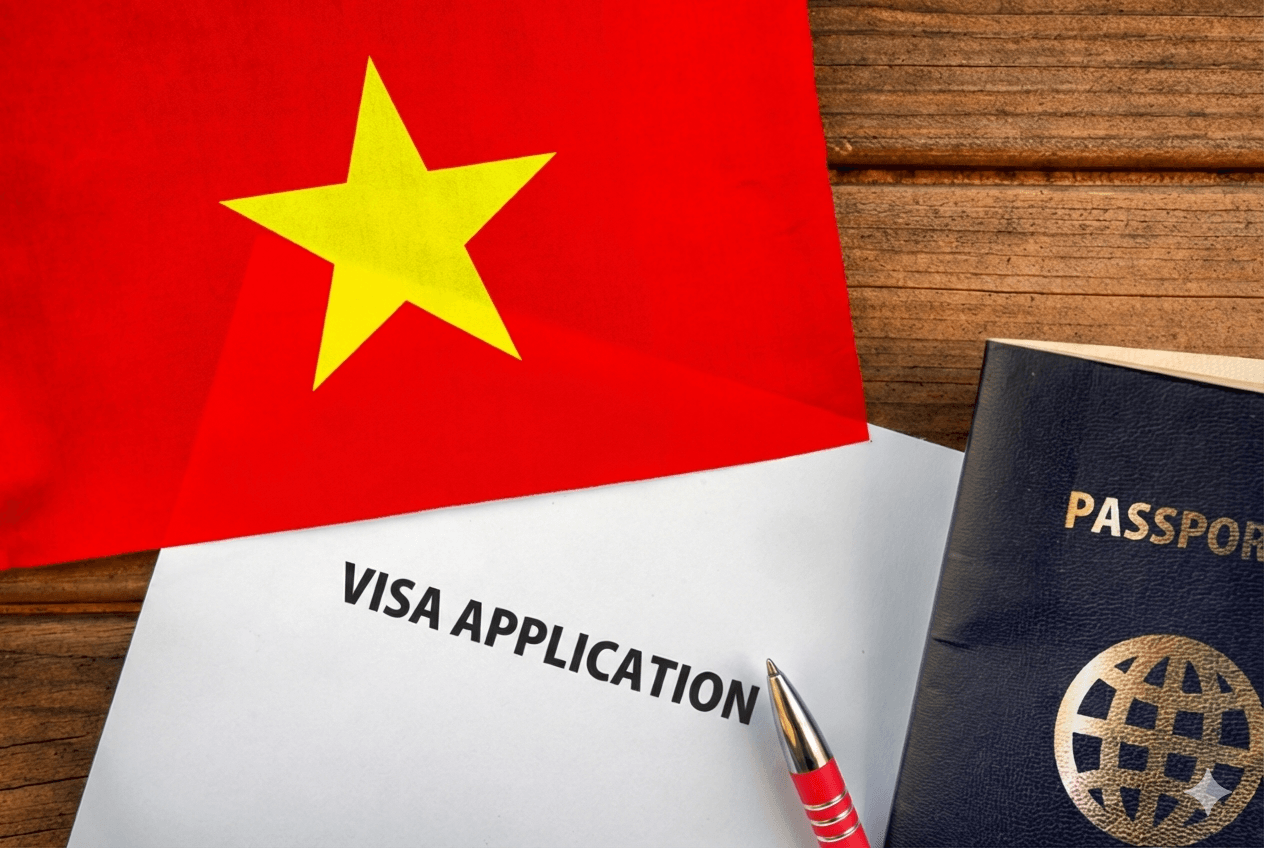
The Vietnam visa process has evolved in recent years, especially with the introduction of systems like e-visas and visa on arrival options. These innovations have significantly reduced processing times and simplified procedures. Knowing which option suits your travel plans can save you time and effort, allowing for a seamless application. Importantly, the Vietnam visa system is designed to accommodate international tourists efficiently while maintaining security and border control standards.
Proper planning and understanding of the visa categories will help you prepare the necessary documentation and avoid common pitfalls. For instance, some nationalities are eligible for visa exemptions or e-visas, streamlining the process further. As you explore the steps ahead, keep your travel dates, purpose, and nationality in mind to choose the most suitable visa pathway.
Types of Vietnam Visa
Vietnam offers multiple visa types based on the traveler’s purpose, duration, and frequency of visits. Tourist visas are suitable for sightseeing, visiting friends or family, and leisure activities, generally granted for 30 to 90 days. Business visas are designed for entrepreneurs, investors, and business representatives who intend to attend meetings, conferences, or negotiate deals, often with shorter or extended validity depending on the purpose. Diplomatic and official visas are reserved for government officials and diplomatic missions.
The emerging options like e-visa and visa on arrival have revolutionized the application process. E-visas are available for citizens of specific countries and allow online application with quick approval. Visa on arrival is a popular choice among travelers who plan to enter through certain international airports, especially Ho Chi Minh City, Hanoi, and Da Nang. Understanding these options enables applicants to select the most convenient and cost-effective method to streamline their Vietnam visa journey.
Moreover, the eligibility for each visa type depends on nationality, travel purpose, and intended length of stay. It’s crucial to research these details ahead of application to ensure compliance with Vietnam’s immigration policies. By doing so, travelers can significantly reduce processing time and avoid unnecessary complications during their entry process.
Preparing Necessary Documents for Your Application
A successful Vietnam visa application hinges on assembling the correct documentation. Proper preparation can prevent delays and avoid rejection, especially when applying through official channels or embassies. The required documents may vary based on your chosen visa type and application method but generally include essential identification and travel documents.
First, a valid passport is mandatory, with at least six months of validity remaining beyond your planned departure date. Passport-sized photographs with a white background are also typically required. Depending on the visa type, applicants may need to provide proof of travel arrangements, hotel bookings, or invitation letters from Vietnamese hosts or organizations.
Additionally, for certain visa applications, supporting documents like a completed application form, proof of financial means, or employment verification may be necessary. For example, business travelers might need to submit a letter from their company or host in Vietnam. It’s advisable to double-check the specific document requirements according to the visa category to avoid missing crucial papers.
The process involves gathering and properly organizing these documents, which not only expedites the application but also reduces the likelihood of rejection. When applying online, scanned copies are usually sufficient, but always ensure they are clear and legible. For physical applications, bring original documents and certified copies as needed. Accurate and complete documentation reflects your seriousness and preparedness, ultimately facilitating a smooth visa approval process.
Tips for Document Preparation
Ensuring your documents meet all requirements can be the difference between quick approval and unnecessary delays. Always verify the latest requirements from official sources before submitting your application, as policies may change. Using high-quality, recent photographs that adhere to specifications helps avoid rejection on technical grounds.
It’s also wise to keep multiple copies of all documents, both digital and physical, in case of additional requests from immigration authorities. Personalizing your invitation letter or providing detailed itineraries can strengthen your case, especially for business or family visits. When in doubt, seek advice from trusted travel agencies or official Vietnamese consular services to clarify documentation nuances.
Furthermore, a neat presentation of your application materials — whether digital or printed — demonstrates professionalism and respect for the process. Remember that accuracy, completeness, and clarity in your documents go a long way toward securing your Vietnam visa swiftly. Preparing diligently will save you time, money, and potential frustrations, leading to a stress-free start to your Vietnamese adventure.
Step-by-Step Guide to Applying for a Vietnam Visa
Applying for a Vietnam visa involves several stages, each critical to ensuring your application is successful and your travel plans are unimpeded. Depending on your nationality and the chosen application method, these steps can vary slightly but generally follow a logical sequence. This section will walk you through each of those steps, accommodating both online applicants and those applying through Vietnamese embassies or consulates.
Initiating your Vietnam visa procedure starts with research. Confirm your eligibility based on your nationality and travel purpose. The next step involves selecting the appropriate visa type—whether an e-visa, visa on arrival, or embassy application. This choice will influence the subsequent procedures, documentation, and processing times. An informed decision at this stage streamlines the entire process and minimizes potential complications.
Once you've determined the best route, prepare your application documents as discussed previously. For e-visas or online applications, you'll fill out an electronic form on the official portal, upload your photos and necessary documents, and pay the fee using secure payment methods. If applying through an embassy or consulate, you’ll need to complete physical forms and submit your documents in person or via postal services.
Finally, monitor your application status regularly. Depending on the process chosen, you may receive your visa approval via email or pick up your stamped passport from the consulate. Upon arrival in Vietnam, ensure your documents are complete for inspection at immigration. A diligent approach to each step ensures that your visa process is swift and successful, paving the way for your exciting trip to Vietnam.
Common Challenges and How to Overcome Them
While the steps may seem straightforward, applicants often encounter challenges such as delayed processing, document rejection, or misunderstandings regarding visa eligibility. These issues can be mitigated by thorough research and meticulous preparation. Always verify the latest updates from official sources and adhere strictly to their instructions.
One common problem is incomplete or improperly formatted application documents, which can lead to rejection or delays. To avoid this, double-check all forms and supporting documents, ensuring accuracy and compliance with guidelines. Online applications can sometimes face technical issues, so using a reliable internet connection and following instructions carefully is vital.
Another challenge is understanding the specific requirements for certain nationalities or visa types. Consulting with official consular services or trusted travel agencies can provide clarity and assistance, reducing errors and expediting approval. Approaching the process with patience and preparation increases your chances of success and minimizes frustration.
Being proactive and organized, including preparing backup copies and tracking your application status, helps you respond swiftly to any issues that may arise. The more diligent you are in following procedures, the more likely you will secure your Vietnam visa promptly, ensuring your travel plans proceed smoothly.
Conclusion
Securing a Vietnam visa can be a manageable process when broken down into clear steps and approached with careful preparation. From understanding the different visa types to assembling the right documents and following application procedures diligently, travelers can significantly streamline their journey. Modern options like e-visas and visa on arrival have made the process faster and more accessible, provided applicants stay well-informed. By adhering to official guidelines, preparing thoroughly, and monitoring application status, you can obtain your visa efficiently and begin your Vietnamese adventure with confidence. Ultimately, a systematic and well-informed approach ensures that your trip to Vietnam starts on the right foot, making your travel experience enjoyable from the very first step.
- Categories:
- Blog

STANLEY HO
Over the past 23 years in the travel service industry, the growth and success of TRANSOCEAN have stemmed not only from the dedication of our well-trained, enthusiastic, and customer-oriented staff, but also from the exceptional leadership of our Founder and CEO, Mr. STANLEY HO. With more than 20 years of experience in the travel and tourism sector, Mr. STANLEY HO possesses profound knowledge of the market, customer behavior, and modern travel trends. His strategic vision has guided the company toward sustainable growth while maintaining a strong commitment to service quality.