Discover Visa Vietnam Options – Your Essential Guide
Latest update: Jul 2nd, 2026
Table of Contents
- Navigating Vietnam Visa Requirements: A Comprehensive Guide
- Essential Information for Obtaining Your Vietnam Visa
- Visa Vietnam: Understanding Your Options and Application Process
- Key Considerations for a Smooth Vietnam Visa Application
- Visa Vietnam: Eligibility Criteria and Necessary Documentation
- Troubleshooting Common Visa Vietnam Challenges
- Conclusion
Planning a trip to the vibrant landscapes of Vietnam requires careful preparation, and understanding Visa Vietnam is essential for travelers from various backgrounds. Whether you're an adventure seeker eyeing the bustling streets of Hanoi or the serene beaches of Da Nang, securing the right visa can make or break your experience. This guide delves into the intricacies of Visa Vietnam, offering insights beyond the basics to ensure you're fully equipped for your journey.
Navigating Vietnam Visa Requirements: A Comprehensive Guide
Venturing into the world of Visa Vietnam can feel overwhelming at first, with a myriad of rules and regulations that vary based on your nationality, purpose of visit, and duration of stay. For instance, citizens from countries like the United States, United Kingdom, or Australia often need to apply for a tourist visa in advance, which might involve submitting detailed travel itineraries and proof of onward tickets. Beyond the standard requirements, it's fascinating to note how Vietnam's visa policies have evolved in recent years to promote tourism post-pandemic, incorporating e-visa options that streamline the process for short-term visits. This evolution not only reflects Vietnam's growing economy but also its commitment to welcoming global visitors, making it easier for solo travelers or families to explore hidden gems like the ancient town of Hoi An without the hassle of embassy queues.
Moreover, when navigating Visa Vietnam requirements, it's crucial to consider the seasonal fluctuations that can impact processing times. During peak travel seasons, such as the Tet holiday in January or February, applications might take longer due to increased demand, so planning ahead by at least a month is advisable. Engaging with this process isn't just about paperwork; it's an opportunity to immerse yourself in Vietnamese culture early on, perhaps by researching local customs that could influence your visa application, like demonstrating respect for heritage sites in your travel plans. By understanding these nuances, travelers can avoid common pitfalls and turn what might seem like a bureaucratic chore into an exciting prelude to their adventure.
Essential Information for Obtaining Your Vietnam Visa
To successfully obtain your Visa Vietnam, start by familiarizing yourself with the core elements: visa types, application portals, and supporting documents. Vietnam offers several visa categories, including the popular tourist visa (valid for 30 to 90 days), business visas for professionals, and even student visas for longer stays, each tailored to different activities. What makes this process engaging is how technology has transformed it; the official e-visa system allows applicants to upload documents online, reducing wait times and enabling real-time tracking, which is a game-changer for digital nomads working remotely in places like Ho Chi Minh City. This digital shift not only enhances efficiency but also highlights Vietnam's forward-thinking approach to global connectivity.
Delving deeper, essential information for Visa Vietnam includes understanding the financial aspects, such as varying fees based on visa duration and entry points. For example, a single-entry tourist visa might cost around $25 for 30 days, but multiple entries can escalate costs, prompting travelers to weigh the benefits against their itinerary. It's not just about the money; this step encourages a thoughtful reflection on your trip, like deciding between a quick visit to the Mekong Delta or a extended exploration of the highlands, ensuring your visa aligns with your aspirations. By mastering these details, applicants can navigate the system with confidence, turning potential obstacles into stepping stones for a memorable Vietnamese escapade.
Visa Vietnam: Understanding Your Options and Application Process
When it comes to Visa Vietnam, understanding your options is key to a tailored travel experience, as choices range from e-visas for quick online applications to visa on arrival for those flying in from eligible countries. The e-visa, introduced in 2017, caters to citizens of over 80 nations, allowing stays up to 30 days and is ideal for spontaneous trips to attractions like Ha Long Bay. What's particularly compelling is how this option integrates with modern travel apps, where you can link your visa status to flight bookings, adding a layer of convenience that goes beyond mere approval—it's about seamless integration into your digital lifestyle.
The application process for Visa Vietnam involves several steps that, when broken down, reveal a structured yet flexible system designed for various traveler profiles. After selecting your visa type, you'll need to gather documents like a passport valid for at least six months, recent photos, and a letter of invitation if applicable for business trips. This process becomes more engaging when you consider personal stories, such as how a family from Europe streamlined their application by using authorized agents, saving time for family bonding upon arrival. Ultimately, by grasping these options and processes, travelers can customize their approach, ensuring that Visa Vietnam enhances rather than hinders their exploration of this culturally rich nation.
Key Considerations for a Smooth Vietnam Visa Application
Ensuring a smooth Visa Vietnam application requires attention to key considerations that can differentiate a straightforward process from a frustrating one. First, verify your eligibility based on your passport's validity and any travel restrictions, as some countries have reciprocal agreements that expedite approvals. Beyond the basics, it's worth noting how current global events, like health protocols post-COVID, have influenced requirements, such as mandatory health declarations that add an extra layer of preparation. This consideration isn't just administrative; it fosters a deeper appreciation for Vietnam's resilient tourism sector, encouraging applicants to align their plans with sustainable travel practices.
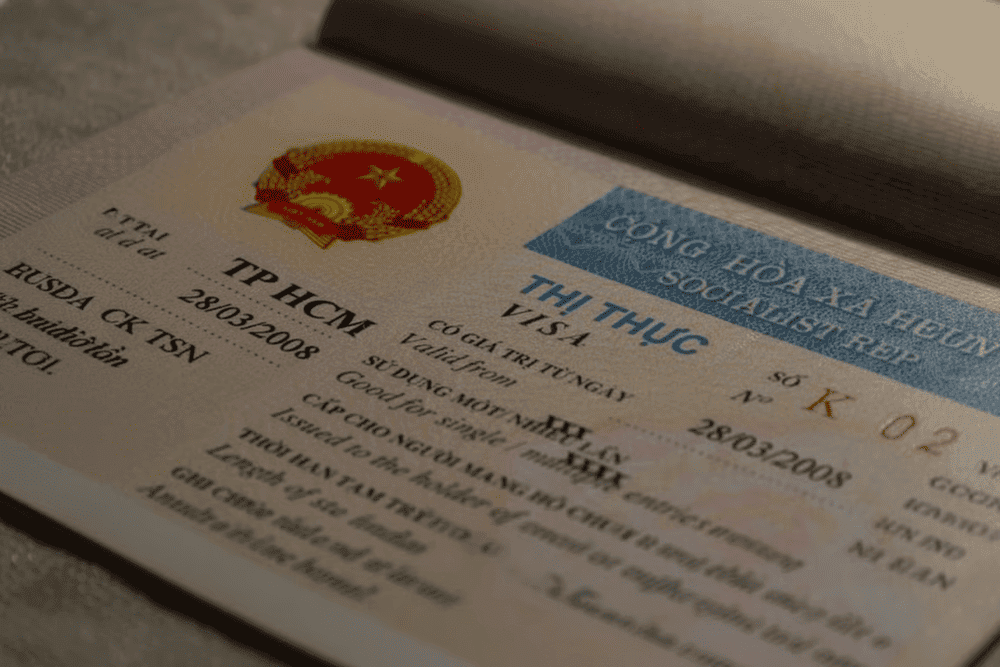
Another vital aspect is timing your Visa Vietnam application to account for potential delays, such as peak holiday seasons or processing backlogs at embassies. Applicants should also explore alternatives like the visa on arrival, which is convenient for air travelers but requires pre-approval in some cases. What makes this engaging is the opportunity to learn about Vietnam's diverse entry points, from the international airports in Hanoi to the border crossings in the north, each offering unique cultural insights. By focusing on these considerations, travelers can achieve not only approval but also a more enriching journey ahead.
Visa Vietnam: Eligibility Criteria and Necessary Documentation
Navigating the eligibility criteria for your Visa Vietnam is paramount for all travelers, as it determines your chances of approval and sets the foundation for a trouble-free adventure. Generally, applicants must possess a passport that is valid for at least six months beyond their intended stay. However, the specifics can vary depending on the purpose of the visit—for instance, business visas may require additional documents, such as letters from host companies and proof of financial support. Beyond these formalities, engaging with this aspect of the visa application invites travelers to consider how their backgrounds and intentions align with Vietnam’s welcoming spirit, fostering a connection before the journey even begins.
When it comes to documentation, assembling everything can feel daunting, but it also serves as a launchpad for your travel aspirations. Key documents typically include a completed application form, passport photos, and a copy of your flight itinerary. However, it's often the little details that can raise eyebrows; for example, ensuring that photos meet specific sizing requirements can save you from rejections. To make the process more personal, many travelers recount experiences of gathering these items as part of their pre-trip anticipation, turning what could be mundane into a cherished ritual. By proactively addressing eligibility criteria and documentation, travelers equip themselves for a rewarding journey through Vietnam's vibrant landscapes and cultures.
Troubleshooting Common Visa Vietnam Challenges
In the world of Visa Vietnam, challenges often arise, but approaching them with the right mindset can transform frustrations into learning experiences. Common issues can include discrepancies in application details, misunderstandings regarding visa durations, or even obstacles in document submission. It's essential to double-check all inputs, from the spelling of your name to your intended dates of stay, as these minute errors can lead to unnecessary complications. Sharing stories of overcoming these hurdles, like a traveler who navigated a last-minute visa error by leveraging social media to reach out for advice, illustrates how connected the travel community can be when facing obstacles together.
Moreover, understanding that the Vietnamese government has been responsive to global travelers can be a source of reassurance. Continuous updates and refinements to visa procedures are aimed at easing entry into the country, underscoring Vietnam's commitment to tourism. For instance, after witnessing a growing interest in online processing, authorities have streamlined the e-visa application, reducing waiting times and enhancing user experiences. This commitment invites travelers to become advocates of the system, sharing their positive experiences and best practices with peers while also fostering a supportive environment for first-time applicants. By empowering themselves through information and community engagement, travelers can turn common challenges into opportunities for deeper understanding and connection with Vietnam.
Conclusion
Navigating Visa Vietnam requirements can be a transformative journey that sets the stage for unforgettable adventures in a culturally rich country. By thoroughly understanding the visa types, application processes, and eligibility criteria, travelers can not only prepare themselves for a hassle-free experience but also align their plans with their travel aspirations. Embracing the common challenges that may surface during the application process fosters resilience, while the interconnectedness of the travel community can provide essential support and insights. Ultimately, engaging with the visa process is about more than mere paperwork; it serves as a bridge to the beauty and vibrancy of Vietnam, creating an exciting prelude to a rewarding travel experience.
- Categories:
- Blog

STANLEY HO
Over the past 23 years in the travel service industry, the growth and success of TRANSOCEAN have stemmed not only from the dedication of our well-trained, enthusiastic, and customer-oriented staff, but also from the exceptional leadership of our Founder and CEO, Mr. STANLEY HO. With more than 20 years of experience in the travel and tourism sector, Mr. STANLEY HO possesses profound knowledge of the market, customer behavior, and modern travel trends. His strategic vision has guided the company toward sustainable growth while maintaining a strong commitment to service quality.